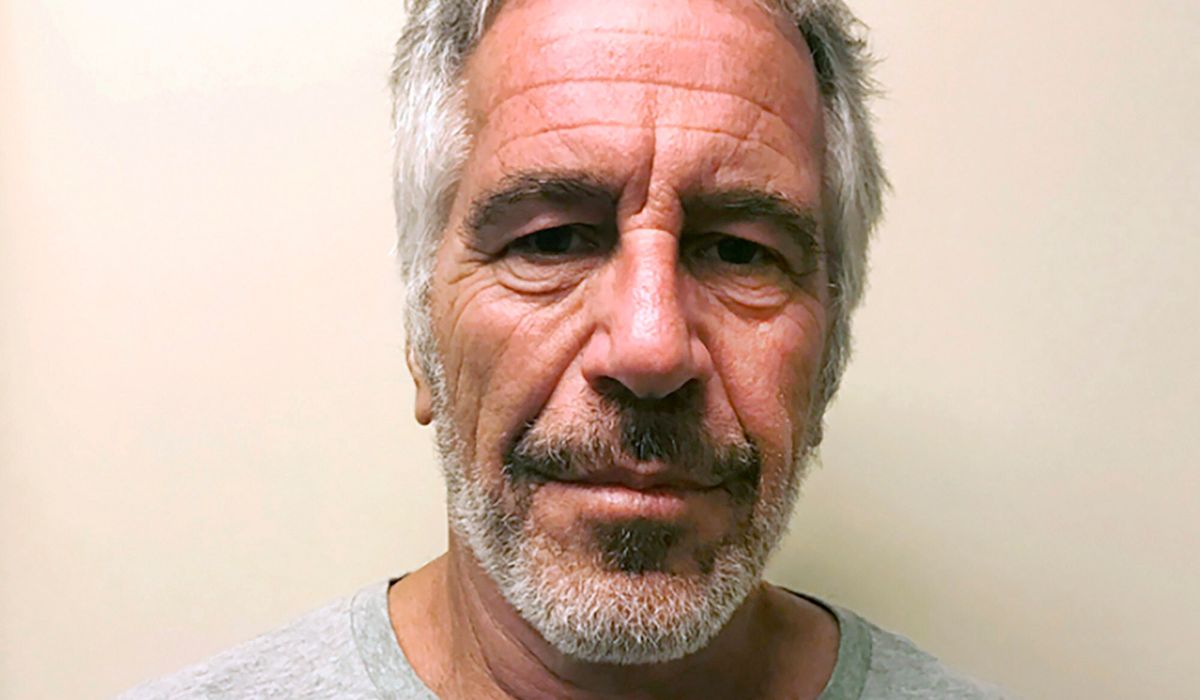
A federal judge in Washington on Thursday ordered the Justice Department to release information redacted or withheld from the public Epstein files, including names of people prosecutors once identified as “co-conspirators” and more details about an FBI interview with a woman who claimed President Trump assaulted her.
Read more Report: No federal building meets 60% occupancy standard required by law to stay open
Judge Emmet Sullivan, a Clinton appointee, ruled in favor of Katie Phang, a journalist who had argued the administration had skirted the Epstein Files Transparency Act by failing to release that information.
Judge Sullivan also ordered acting Attorney General Todd Blanche to produce Epstein files that were in foreign languages, and to release the names of people who were on email chains with Epstein that referred to a “torture video” and “sexual activity with young women, including minors.”
And he ordered Mr. Blanche to publish logs of all redactions that were made in the publicly released files.
He gave Mr. Blanche a July 2 deadline to comply or else produce evidence for why it can’t be done.
“The Act required the production of the covered documents and the redaction log by December 19, 2025. The Attorney General conceded that he is in violation of the Act,” Judge Sullivan said.
Some of the Trump accuser files have been released before, though analysts believe some pages are still missing.
The woman in question was interviewed four times by the FBI in 2019, when she claimed to have been introduced by Epstein to Mr. Trump in 1984, when she was 13. She has claimed Mr. Trump forced her to perform a sex act.
Read more Former Rep. Kinzinger launches PAC backing anti-Trump candidates
The White House has vehemently denied the accusation, calling it “baseless,” and the timeline for when Mr. Trump first met Epstein would seem to counter the woman’s timeline.
The Public Integrity Project, which represented Ms. Phang in the case, said it was most interested in the redaction log, which could force the Justice Department to explain every part of the files it withheld from public view.
Some 3.5 million documents were released, though the Integrity Project said 200,000 pages were redacted.
If the department cannot justify its withholdings those documents could be made public, the Integrity Project said.
Ms. Phang sued under the Administrative Procedure Act, which governs agency actions and requires they follow the law. She argued the Justice Department’s handling of the Epstein files was the type of agency action that falls under the APA.
Judge Sullivan agreed, and said Ms. Phang had standing to sue under the APA.
And he said the Justice Department never substantively responded to her claims, meaning the attorney general has tacitly admitted he is in violation of the Epstein Files Act, the judge said.
Read more Senators urge Energy Secretary Chris Wright to block Chinese access to U.S. labs
About the Author