OPINION:
Our family recently took in the new, improved Mount Vernon. Frankly, it knocked our socks off.
Read more Democrat Mallory McMorrow drops Senate bid in Michigan in blow to far-left run by Abdul El-Sayed
George Washington’s 18th-century mansion and grounds are superbly restored, and there are a Smithsonian-quality museum and a riveting film about the Revolutionary War. It even snows inside the theater at one point.
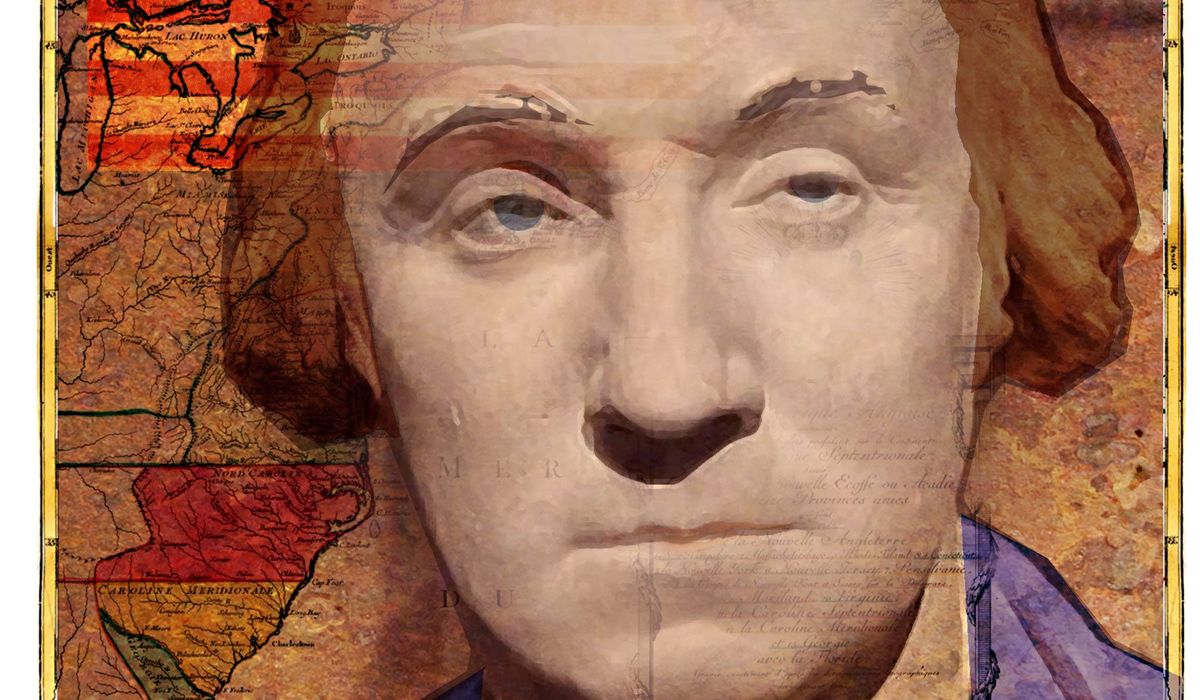
Without George Washington, the United States of America would not have happened. Commander of America’s armed forces, and later the first president, he was utterly indispensable.
The Colonists had plenty of reasons to revolt. King George III and Parliament had imposed intolerable conditions, such as quartering soldiers in Colonists’ homes and demanding a “stamp tax” on all documents and transactions.
Battling extreme hardship and the greatest world empire at the time, Washington’s army dropped from 20,000 to only 3,000, and the cause seemed hopeless. Yet they fought from April 19, 1775, to the British surrender at Yorktown on Oct. 19, 1781, securing victory with help from the French fleet.
Washington, who with his wife, Martha, never had biological children of his own, became the father of his country. Offered a chance to be king, he went home instead.
As revealed in books such as “George Washington’s Sacred Fire” (Peter A. Lillback with Jerry Newcombe, 2006), he was fueled by a deep Christian faith, something conspicuously absent from Mount Vernon and modern revisionism.
The museum has some other quirks, such as ignoring Thomas Jefferson and barely mentioning the Marquis de Lafayette. Still, it respectfully chronicles the inconvenient reality that Mount Vernon had many slaves, most of them acquired from the estate of Martha’s first husband. It is handled well without overshadowing Washington’s importance.
Washington made being an American citizen one of the most valued privileges in the world.
I thought about this while poking through the legal wreckage of the Supreme Court’s 6-3 decision on June 30 in Trump v. Barbara, which upheld birthright citizenship. It applies even to babies born to illegal aliens and to “birth tourists” who come specifically to create new U.S. citizens.
The ruling written by Chief Justice John G. Roberts Jr. qualifies nearly anyone in the world to have a baby on U.S. territory and create an instant citizen. As Justice Clarence Thomas wrote in his dissent, this “devalues” American citizenship.
Solicitor General D. John Sauer informed the court in April about evidence cited by members of Congress that communist China is sending hundreds of thousands of women to U.S. territories to have babies, bring them home and indoctrinate them, “creating a whole generation of American citizens abroad with no meaningful ties to the United States.”
This did not matter to the court’s majority, which seemed to decide that the Constitution is a suicide pact.
The 14th Amendment states that, “All persons born or naturalized in the United States, and subject to the jurisdiction thereof, are citizens of the United States and of the State wherein they reside.”
Read more SCOTUS brings home gold on women’s sports
The court chose to pretend that “subject to the jurisdiction thereof” is superfluous.
If simply being born on U.S. soil establishes citizenship, the “jurisdiction” phrase cannot logically mean the same thing. It is a caveat added to protect children born of freed slaves after the Civil War. In fact, the 1866 Civil Rights Act acknowledges citizenship only to people “not subject to any foreign power,” such as babies born to foreign nationals.
These points were raised in powerful dissents by Justice Thomas and Justice Samuel A. Alito Jr.
The United States is one of only a few countries still allowing birthright citizenship. For example, if an American woman gives birth in Tokyo, the child is not a Japanese citizen.
At the end of last month, the court delivered its most controversial decisions before recessing. On June 30, the justices rightly upheld the right of states to protect female athletes by barring males from competing in female sports. Only the three leftist women dissented.
Yet in Watson v. Republican National Committee, a June 29 opinion written by Justice Amy Coney Barrett, the justices rejected a challenge to state laws allowing the tallying of mail-in ballots after Election Day. In his scathing dissent, Justice Alito said there was no better way to undermine faith in fair elections than to count ballots for days and even weeks afterward, especially in close races.
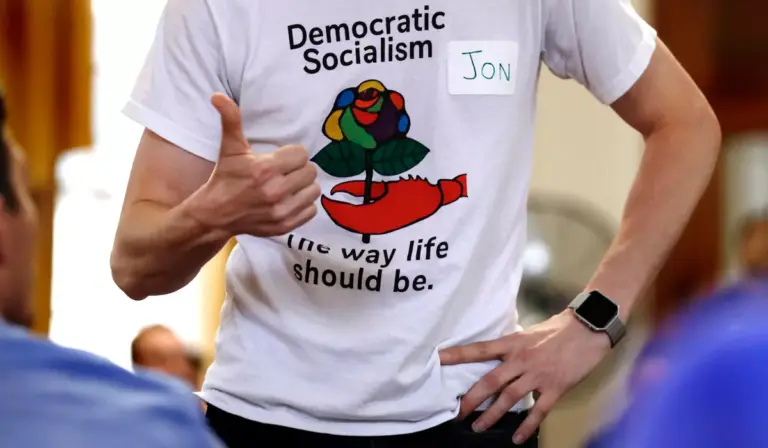
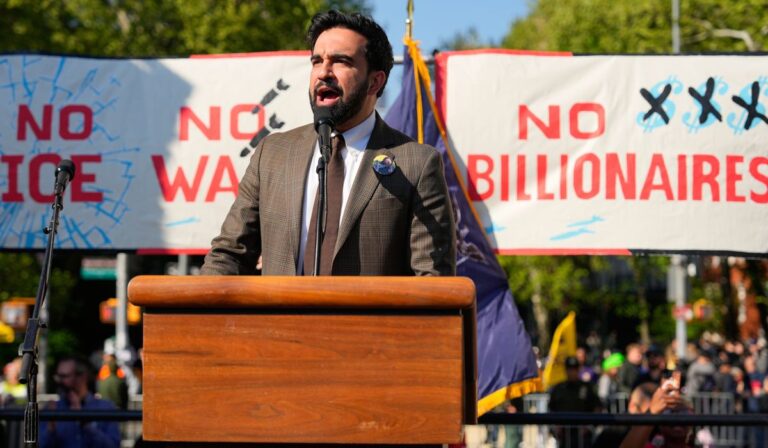
We are living in a perilous time. Hundreds of thousands of foreigners, legal and illegal, are minting new U.S. citizens. The Democratic Party is being overrun by openly communist and Islamist candidates under the democratic socialist banner. They are taking power in states with sanctuary cities, massive welfare fraud, compromised voter rolls, no photo voter ID laws and astronomical numbers of illegal aliens joining the “free stuff” army.
Given the court’s reluctance to protect U.S. citizens from what amounts to a foreign invasion, the U.S. Senate has no excuse for failing to vote to pass the SAVE America Act to restore election integrity.
In the birthright citizenship ruling, Chief Justice Roberts wrote, “In the odious decision of Dred Scott v. Sandford [1857], this Court imposed the Southern States’ beliefs onto the Nation.”
Yes, and here is some updated phrasing: “In the odious decision of Trump v. Barbara, this Court imposed the Sanctuary Cities’ beliefs onto the Nation.”
I doubt that George Washington could possibly have conceived of what is happening today in America right before our eyes — or that he would find a way to do something about it.
• Robert Knight is a columnist for The Washington Times. His website is roberthknight.com.
Read more Ukraine, Iran shadow high-stakes NATO summit as Trump leans on allies, embraces Erdogan
About the Author