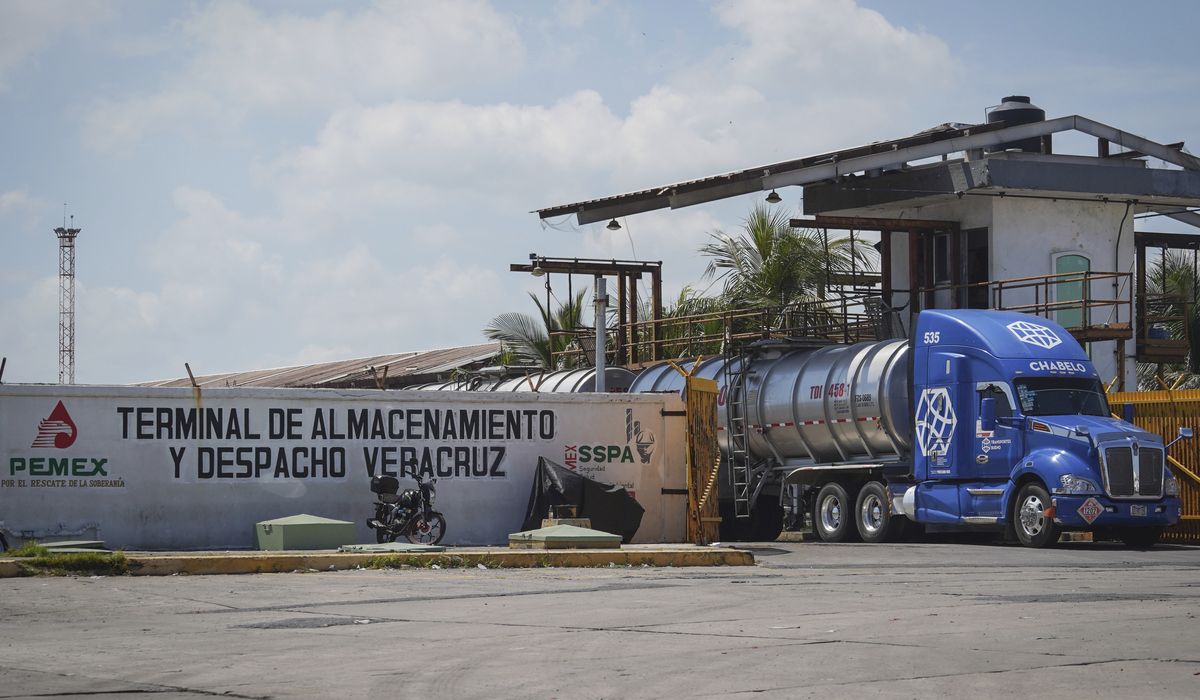
Mexico’s smuggling cartels, who have long made money smuggling illegally obtained oil into the U.S., are also smuggling fuel back into Mexico in a scheme to sell the product at full cost while ducking taxes, according to American authorities.
Read more ‘I heard a gunshot’: Police officer describes Kirk shooting at probable cause hearing
As much as a third of all fuel sold in Mexico may be illicit, and that country’s government is losing “tens of billions of dollars a year in tax revenue,” the Treasury Department said.
Fuel smuggling is now the cartels’ second-largest source of income behind drugs, having overtaken migrant smuggling, which experts say has largely dried up with new border controls imposed by President Trump.
Trump administration took new steps to fight back on Thursday, slapping financial sanctions on two men and nine firms associated with the Jalisco New Generation Cartel, or CJNG.
“Today’s action highlights the extent to which Mexico’s cartels are expanding beyond traditional drug trafficking to generate revenue for their criminal organizations, which continue to traffic deadly drugs that kill Americans,” Treasury Secretary Scott Bessent said in announcing the sanctions.
The Trump administration in February 2025 designated CJNG and several other major Mexican cartels as foreign terrorist organizations, escalating a decades-long battle to constrain them.
The State Department said the fuel theft is also a “threat to legitimate U.S. businesses and the U.S. financial system.”
Treasury experts said the southbound smuggling is spurred both by Mexico’s tight control on permitting fuel importers and the relative difference in prices between the two nations, with costs significantly lower north of the border.
Huachicoleros, as the smugglers are known in Mexico, avoid the official Mexican-licensed importers, ducking the duties they are required to pay, and sell the fuel directly to smaller distributors and retailers.
Huachicoleros have operated for years, but cartels in recent years moved to co-opt them, and have “effectively seized control of this illicit fuel and oil market,” the Treasury Department said.
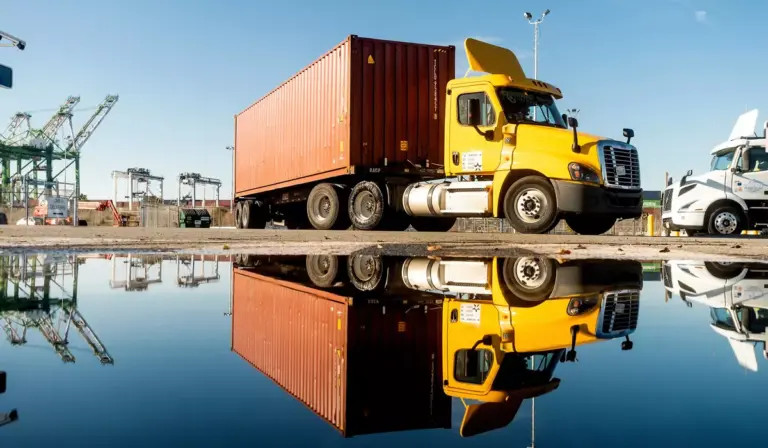
The operation relies on complicit U.S. fuel traders who sell fuel to the huachicoleros, who then ship it across the border, often mislabeled as hazardous waste or waste oils. It’s taken to cartel-controlled storage facilities and slipped into Mexico’s market.
Read more Ukraine’s battle-tested defense industry looks to expand across Europe
False invoices cover the sales, and digital money transfers across the border keep everything flowing, officials said.
The profits go to fund the cartels’ overall operations.
U.S. officials alerted banks last May to be on the lookout for suspicious cartel-related fuel transactions. In the year since then, banks filed 160 suspicious activity reports totaling more than $7 billion in questionable activity.
Most of the reports center on Texas, though officials also mentioned Florida.
The southbound smuggling is just part of the problem. Cartels also steal oil from Mexico’s state-owned firm, Pemex, and ship it to complicit brokers in the U.S., chiefly in Texas and New Mexico, where it becomes part of the U.S. supply.
Treasury officials named the Sinaloa Cartel and Gulf Cartel as part of fuel smuggling, but CJNG dominates the reporting.
The two men sanctioned on June 30 were Oscar Guillermo Juraidini Silva and J. Refugio Ruiz Villagomez, and firms associated with them.
Authorities said Mr. Juraidini builds and operates shell companies for CJNG, helping create the false paper trail required for fuel smuggling.
Mr. Villagomez is accused of being a fuel smuggler.
In addition to fuel smuggling, the Trump administration says CJNG makes hundreds of millions of dollars off time-share fraud, particularly in the Puerto Vallarta area.
Mexican-based call centers would dupe people into buying or renting timeshares that didn’t exist, then would call up pretending to be a law firm offering to sue to get their money back — all while charging, but never delivering. And, in a final twist, the call centers would sometimes then pretend to be government investigators promising to get money back — again for an advance payment.
Like fuel theft, the scam operated for years before the cartel moved in to take it over.
Read more Trump says U.S. victory in Iran is guaranteed, as Tehran mourns its supreme leader
About the Author