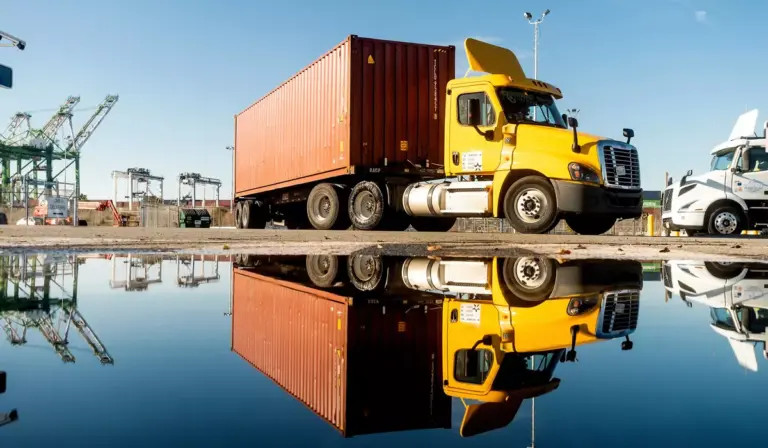
The Trump administration said Thursday it will impose 25% tariffs on most Brazilian goods in response to the South American country’s trade practices.
Read more Pentagon’s new low-cost cruise missile push includes contract for cargo-plane-capable weapons
The Office of the U.S. Trade Representative said the levies resulted from a Section 301 investigation of Brazil’s treatment of U.S. tech companies, ethanol products and “illegal deforestation” that “persists to the detriment of the U.S. industry,” among other factors.
“By imposing a 25% tariff on certain goods of Brazil, President Trump is leveling the playing field with Brazil to defend American farmers, workers, innovators, and businesses from Brazil’s unfair trading practices while creating a pathway to resolve these issues,” the USTR said in a written statement.
Though sweeping in nature, the administration exempted coffee, beef and other agricultural goods, plus raw-material imports that the U.S. might need.
The levies are part of Mr. Trump’s attempt to rebuild his tariff structure on other nations after the Supreme Court struck down his use of a 1977 economic-powers law to impose unilateral tariffs on other nations.
Instead of slapping levies on nations at will, Mr. Trump is using levers that justify new tariffs based on national security concerns or unfair practices in other countries. Issuing those tariffs requires a formal investigation, a process that can take months.
In its release, the trade representative pointed to court-ordered censorship of U.S. tech companies such as X, Meta, and Google, and accused Brazil of giving preferential tariff treatment to countries other than the U.S.
Brazilian President Luiz Inacio Lula da Silva called the U.S. decision “lamentable,” particularly since the U.S. tends to run a trade surplus with Brazil.
Read more Iran threatens Persian Gulf-nation infrastructure as U.S. continues attacks
He said the decision seemed driven in part by Mr. Trump’s alliance with Jair Bolsonaro, the former Brazilian president who faced prosecution for his actions following his refusal to concede an election defeat in 2022.
“One cannot love Brazil only when we win elections. Protecting our sovereignty is an obligation that stands above all parties and all trends,” Mr. Lula posted on X. “The Brazilian government will not falter in its duty to preserve it.”
Mr. Trump says tariffs, which are duties on foreign goods brought into U.S. markets, are a great way to raise revenue and protect U.S. industries.
Democrats and free-market critics of Mr. Trump’s tariffs say wide-ranging tariffs are counterproductive because they tend to raise prices for U.S. consumers.
“These tariffs are a blunt tool with a weak connection between the practices at issue and the American companies that will bear the costs,” said Dan Anthony, executive director of We Pay the Tariffs, a coalition of small businesses that oppose Mr. Trump’s tariffs. “Businesses buying everyday products from Brazil will now pay new tariffs because of disputes over digital payment rules and other policies they have nothing to do with.”
Some industries were pleased to be spared in the new batch of tariffs on Brazilian products.
William Murray, president and CEO of the National Coffee Association, said it is “critical for more than 176 million daily U.S. coffee drinkers and our $343 billion coffee economy that any tariffs resulting from the current Special 301 investigations exclude all coffee and coffee products.”
Read more Documents reveal Chinese plan to destroy Starlink satellites
About the Author