The Department of Homeland Security announced Thursday that it has made it easier for officers to block citizenship applications from immigrants who claimed welfare, revoking a Biden-era rule that was too lenient and “straitjackets” the department.
Read more U.S., Iran trade further attacks
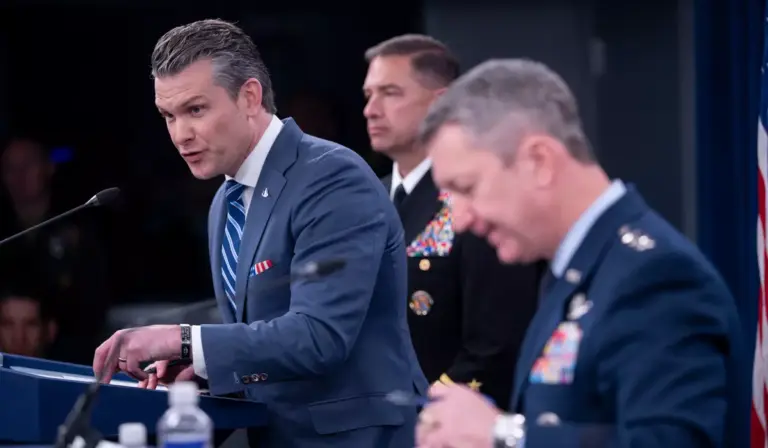
Homeland Security Secretary Markwayne Mullin said the goal is to carry out long-standing federal law that pushes immigrants to pay their own way and lets the government reject immigrants who are in danger of becoming a “public charge.”
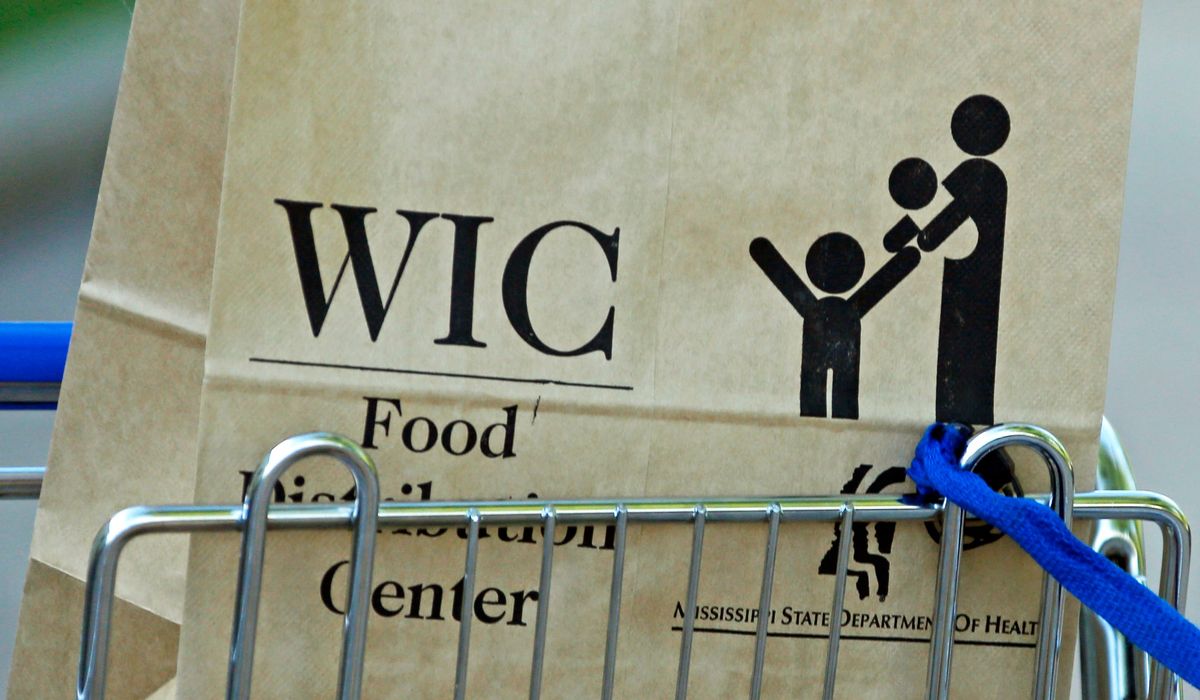
The change won’t block legal immigrants from applying for welfare, but it does serve as a warning that claiming benefits could hurt their chances if they eventually seek citizenship.
“The Trump administration is upholding the rule of law and protecting American taxpayers from subsidizing aliens who may become dependent on public benefits,” said Zach Kahler, a spokesman for U.S. Citizenship and Immigration Services, the DHS agency that handles legal immigration.
Homeland Security said the change could save the government more than $110 billion over the next decade if immigrants forgo welfare benefits to stay on the good side of the department.
The rule change, which takes effect in September, was detailed in a 475-page document.
It’s the latest in a bureaucratic chess game between conservatives and liberals.
For two decades, the government chiefly looked at cash-benefit welfare programs when trying to decide if an immigrant had become a public charge. The first Trump administration expanded that aperture, saying use of noncash assistance such as Medicaid, housing or food stamps should also be counted in public charge determinations.
The Biden administration issued a rule canceling the Trump changes.
Now Mr. Mullin has canceled the Biden changes, though he has not reinstated the full policy from the first Trump term.
Instead, the law will let officers make case-by-case decisions.
“This approach will prevent the application of overly restrictive criteria that straitjackets DHS officers’ ability to make public charge inadmissibility determinations,” he said in the regulatory filing.
Emilio Gonzalez, who ran USCIS in the George W. Bush administration, said the law has long included provisions urging immigrants to pay their way and discouraging them from becoming a public charge.
Indeed, it was one of the reasons immigration officers could deny someone entry as far back as the late 19th century. The current law was written in 1996.
Read more Homeland Security places limits on how long foreign students can stay in U.S.
It doesn’t explicitly define what a public charge is, however, and gives the administration wide leeway to decide how to carry out a denial.
The new Trump policy change leaves decisions up to officers.
“You’re giving your DHS employees a great deal of latitude to enforce it,” Mr. Gonzalez said.
He said one issue is whether the officers will have access to data that would allow them to see if someone is using benefit programs.
After the 2019 Trump change and before the rule was halted, some 47,555 applications were adjudicated. Just three were blocked by the public charge policy, and two others were notified of an intent to deny them.
All five were later approved.
But immigrant rights groups said the 2019 policy did chase immigrants away from seeking benefits — including medical care during the coronavirus pandemic.
The Center for Law and Social Policy, which filed comments opposing the new rule, said parents may also forgo care for their children.
“We have seen this chilling effect before. The result is that children miss out on the care and services that help them grow, learn, and thrive,” said Wendy Cervantes, the group’s director of immigration.
Charles Kuck, an immigration lawyer, took to social media to decry the change as “unmitigated awfulness.”
But James Percival, Homeland Security’s general counsel, said foreigners have used America’s generosity “as an opportunity to rip off American taxpayers.”
Read more World Cup momentum in question after U.S. flames out
About the Author