The Trump Justice Department has sued to end Maryland’s law that allows illegal immigrants to get in-state tuition rates, saying it violates a federal law that limits states’ ability to grant that benefit to those in the country illegally.
Read more Defense bill to bolster Israeli defense cooperation
Maryland’s law, enacted in 2011, allows illegal immigrants who graduated from a school in the state, who attend a state college and whose parents have been paying taxes in the state to pay the same rates as legal state residents.
Justice Department officials said that amounts to discrimination against U.S. citizens from other states — and it breaks a federal law to that effect.
“This is a simple matter of federal law: Colleges cannot provide benefits to illegal aliens that they do not provide to U.S. citizens,” said Assistant Attorney General Brett A. Shumate.
The lawsuit also seeks to block Maryland’s policy of allowing illegal immigrants access to scholarships and financial assistance.
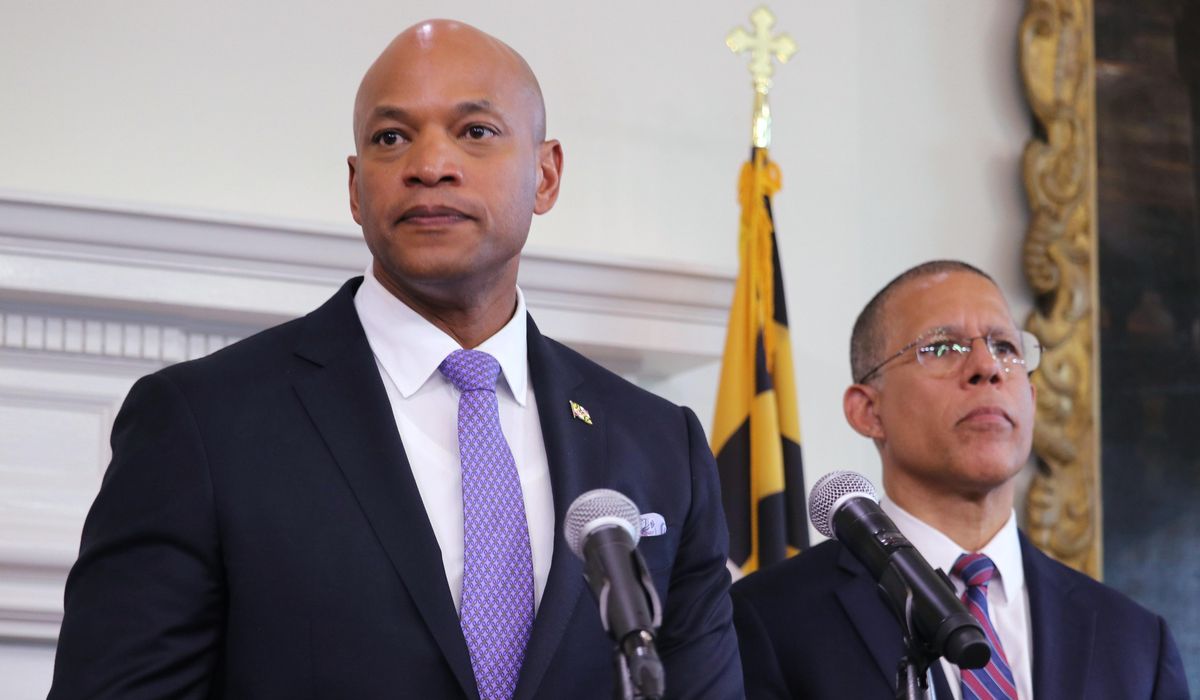
Maryland Attorney General Anthony Brown denounced the lawsuit as an attack on the students.
“Today, the Department of Justice sued to take away an opportunity from Maryland students who grew up here, graduated from school here, and are working to pursue something more for themselves, their families, and the communities in which they live,” he said.
Read more Navy to pay Florida company $2.2 billion to manage construction of its new amphibious warfare ships
The federal law says migrants who lack legal presence in the U.S. cannot claim residency in a state for tuition purposes unless the state also offers the same benefit to any citizen, regardless of residency.
DOJ has filed similar lawsuits against 12 other states.
Some of those cases have failed, such as in Minnesota, where a federal judge said that state’s law was drawn to allow some U.S. citizens who attended school in the state but live outside state lines to get in-state tuition — so it doesn’t run afoul of the federal prohibition.
The federal government has appealed that decision.
DOJ has also had some major successes.
Earlier this month, the 5th U.S. Circuit Court of Appeals ruled that Texas’s 25-year-old in-state tuition law violated the federal prohibition.
Texas had agreed and reached a settlement nixing its law, but immigration groups had tried to intervene and defend the law. The appeals court said their defense was futile since the law cannot stand.
Oklahoma, Kentucky and Nebraska have also reached settlements canceling their state laws.
Read more LISTEN: Here’s the core problem facing the defense industrial base
About the Author