President Trump ordered another wave of U.S. airstrikes against Iran early Sunday following an Iranian attack on a base in Jordan that killed at least two American troops.
Read more Meteorite that struck New Jersey home reveals ancient asteroid brine
The two sides are now barreling toward all-out war, if they’re not there already, after a brief ceasefire fell apart earlier this month. The conflict is escalating across the region, evidenced by a “specific and credible threat” that led Jordanian authorities to evacuate the international airport and seaport in Aqaba on Sunday, according to the U.S. Embassy in Jordan.
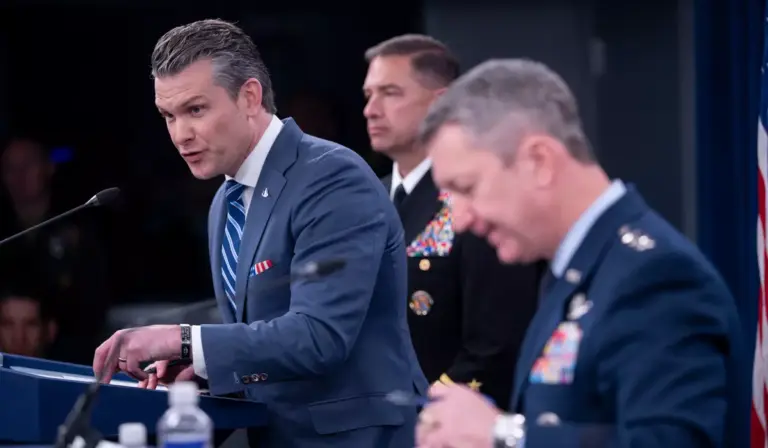
U.S. Central Command said the latest round of American strikes targeted the Islamic Revolutionary Guard Corps troops believed responsible for the assault that killed American service members in Jordan on Friday.
“During the eighth consecutive night of U.S. strikes, CENTCOM forces successfully hit Iranian military coastal surveillance and air defense facilities, maritime capabilities, and missile and drone storage sites to continue degrading Iranian military capabilities,” CENTCOM said in a statement. “American military assets also targeted Islamic Revolutionary Guard Corps forces that launched attacks against U.S. service members in Jordan on July 17.”
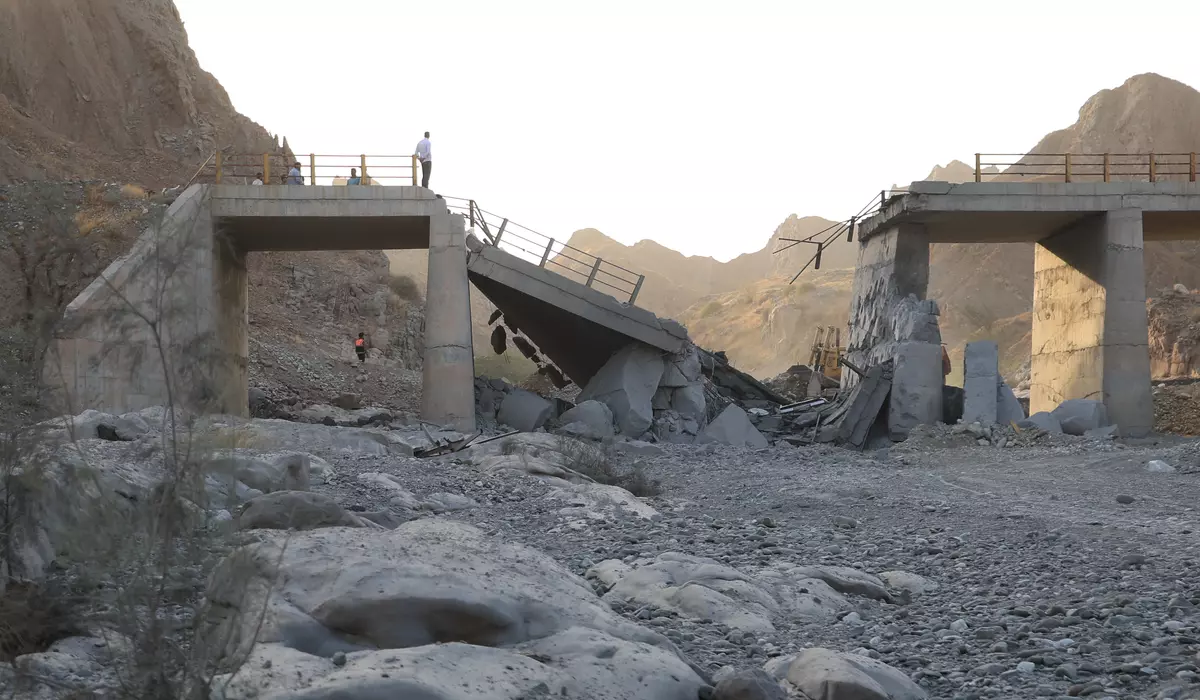
Footage released by the U.S. military appeared to show strikes carried out by fighter jets and by Tomahawk cruise missiles launched from the sea. One target site appeared to be in a valley of a mountainous region. The IRGC often has missile bases and other military equipment tucked into mountain ranges.
That the IRGC, Iran’s elite paramilitary outfit, is still capable of launching deadly attacks underscores the difficulty the U.S. confronts in trying to fully eliminate Iran’s ballistic missile and drone capabilities with an air campaign alone.
So far, the Trump administration has resisted putting U.S. ground troops in Iran — an idea deeply unpopular both in Congress and among the American public.
The IRGC attack on Friday left two U.S. service members dead and another missing after a base in Jordan came under fire from missiles and drones, military officials said.
They were the first U.S. combat deaths in the Iran war since March. At least 16 American troops have been killed in combat since the war began on Feb. 28, according to Pentagon data.
More than 400 have been wounded.
Officials did not specify the exact location of the July 17 attack, but media reports and video circulating on social media indicate an Iranian attack on Jordan’s Muwaffaq Salti Air Base, which houses American forces.
Four other American service members were wounded but have since been released from Jordanian hospitals, Pentagon officials said.
Read more Aviation cybersecurity has key shortfalls, watchdog warns Congress
President Trump said late Saturday that the troops died in service to their nation.
“It’s a very sad thing,” Mr. Trump told NewsNation. “We hate to see it happen. It’s in service to our country.”
Other regional powers are also being dragged back into the war.
Kuwait and Bahrain again activated air defenses Sunday morning after warning of incoming Iranian drones and missiles. Both nations are home to key U.S. military bases.
What happens next?
The death of American troops at the hands of the Iranian military could change the calculus for Mr. Trump, who has warned Tehran that the U.S. is prepared to significantly escalate its attacks if Iran does not make a deal with Washington.
The U.S.-Iran conflict is now centered largely on control of the Strait of Hormuz, a critical waterway for oil exports from the Middle East.
Iran says that the memorandum of understanding it signed with the U.S. in June gives the Islamic Republic the power to manage traffic in the strait, but the Trump administration insists that Iran must keep the strait free to commercial traffic, including oil tankers.
Mr. Trump reimposed a naval blockade of Iranian ports and maritime shipping and is using the U.S. military to help non-Iranian ships transit the strait. Amid the renewed fighting, the White House insisted last week that Iran and the U.S. are still communicating about a possible peace deal.
“Iran very much continues to talk to the United States of America and has expressed that they want to make a deal with us because they are suffering devastating blows,” White House press secretary Karoline Leavitt told reporters last Thursday.
It’s unclear whether the deaths of American troops will impact the administration’s willingness to talk.
Read more Texas storms ground flights, delay thousands nationwide
• This article is based in part on wire service reports.
About the Author