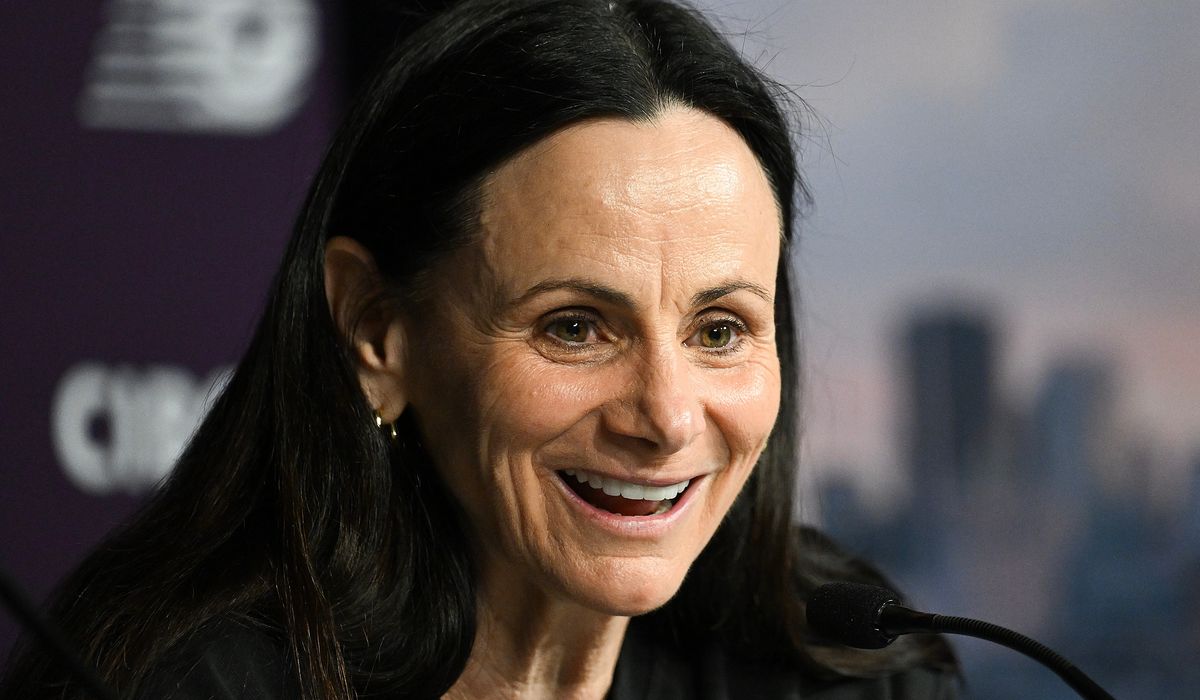
The WNBA’s ongoing reckoning over refereeing and racial tensions escalated over the weekend as Toronto Tempo coach Sandy Brondello was suspended one game for calling Atlanta Dream forward Angel Reese a “protected species” due to officials’ foul calls.
Read more Spain tops Argentina to win World Cup on Ferran Torres’ extra-time goal
Brondello later apologized, first in a statement to social media before elaborating after Toronto’s practice on Sunday.
“My words carried an impact beyond what I intended, particularly for Black women in our league, and I’m deeply sorry for that. I’ve spent my career competing with, coaching and learning from incredible Black women,” Brondello wrote. “I regret that my words caused hurt to a community I respect so deeply.”
Brondello made the “protected species” comment during the Tempo’s 111-92 loss to the Dream on Friday. Toronto forward Nyara Sabally was injured after contact with Reese, but the referees assigned the foul to Sabally.
In a conversation with the officials, Brondello called Reese a “protected species,” referring to the lack of fouls assessed to the popular three-time All-Star.
“ARE WE SURPRISED?!” Reese wrote on X after the game, tagging Brondello with a clown emoji.
The WNBA announced on Saturday that would suspend Brondello for one game without pay. She’ll miss Toronto’s game against the Las Vegas Aces on Monday night.
“The WNBA expects all coaches and team personnel to uphold the highest standards of professionalism and respect that are fundamental to our league,” the league said in a statement.
Brondello is from Australia, where commentators, coaches and players routinely use the phrase “protected species” to refer to athletes who appear to be coddled by friendly calls from referees.
In the U.S., referring to Reese, who is Black, as non-human carries a harsher tone.
“I am grateful that the league did take action on the situation that happened,” Reese said after Atlanta’s practice on Sunday, clarifying that she appreciated Brondello’s apology. “There is no place for discrimination or hate in this league from anyone, from fans to coaches to players.”
Brondello said she accepts “full responsibility” for her actions and noted that her frustration lay “with the officiating, but my words unfairly put the focus on [Reese].”
Reese is a Baltimore native who played two seasons at the University of Maryland, before transferring to LSU. Her brother, Julian Reese, played for the Terrapins and is now with the Wizards.
Read more Ryan Fox wins British Open with birdie on final hole
Concerns about the WNBA’s officiating practices have dominated the current season, which breaks for its All-Star festivities this week.
Indiana Fever guard Caitlin Clark, the league’s biggest star, has become the subject of widespread debate.
An outspoken contingent of her sizeable fanbase claims that Clark is subject to unfair physical levels of defense from opponents with little assistance from referees.
The racial undertones have floated to the forefront, as Clark is a White woman in a predominantly Black league.
A group of 11 Republican members of Congress sent a letter to WNBA Commissioner Cathy Engelbert earlier this month demanding “accountability” and expressing concerns that the fouls on Clark “may be racially motivated.”
Meanwhile, players like Phoenix Mercury guard Alyssa Thomas have shared racist and homophobic messages they’ve received from fans after playing against Clark.
“She’s become a bit of a political football in this country, and I think that’s incredibly unfair to her,” NBA Commissioner Adam Silver said of Clark at last week’s Game Plan Summit. “I don’t think that issue is ultimately about officiating. It’s become political ping-pong with her.”
But at least one current player argued that Clark is treated differently from Reese, especially in light of Brondello’s suspension.
“‘Species’ is the unfortunate and touchy word of this well-known phrase especially in the US’ racially charged climate, but if she was saying it about [Clark] (an appropriate comparison re popularity) there would be no outrage, now would there,” Toronto center Temi Fagbenle, Clark’s former teammate, wrote on Threads. “Suspension is laughable.”
Officiating became a focus for the WNBA over the offseason.
After notably increased levels of physicality over the last two seasons, the league’s officiating task force aimed to increase freedom of movement in 2026. The result was an increase in the number of foul calls, though many coaches and players have openly criticized a perceived lack of consistency.
“The league has to do better,” Clark said earlier this month.
The WNBA has a process in place to address officiating concerns. Addressing concerns about racism toward players like Reese is a tougher task.
Members of the players’ association confirmed to several publications that they would hold a meeting with Engelbert during the All-Star break to discuss how the league can protect players from racial abuse.
Read more Thunderstorms will clear wildfire smoke from Northeast ahead of World Cup final, meteorologists say
About the Author