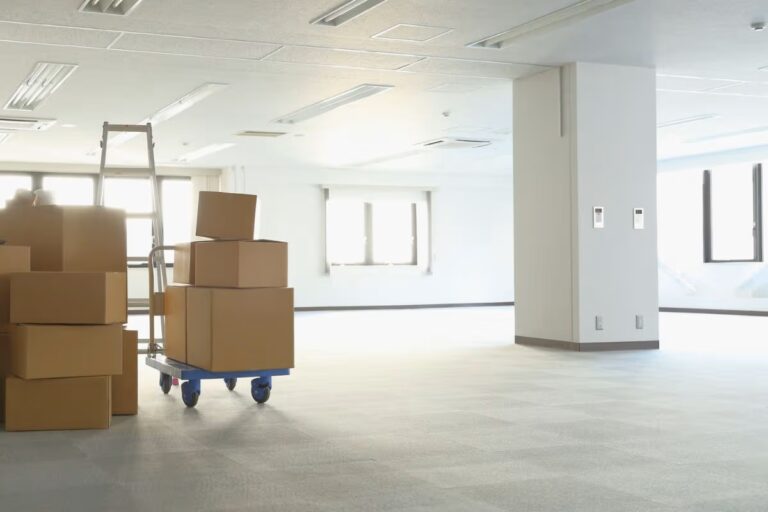
An office can arrive at its new Largo location in dozens of pieces and still be nowhere near ready for work. Desks may be separated from frames, conference tables reduced to sections, shelving taken apart, and workstations carefully labeled for transportation. Once everything reaches the new premises, someone still has to turn that collection of components back into a functioning workplace.
Office furniture reassembly deserves to be treated as a planned stage of the relocation rather than an afterthought. Dunedin Movers https://dunedinmovers.com/ can assist businesses with the physical side of office moves, including furniture handling and putting appropriate pieces back together at the destination.
Reassembly Starts Before Anything Leaves the Old Office
The easiest furniture to rebuild is furniture that was dismantled methodically.
Before disassembly, businesses should photograph complicated pieces and record how components fit together. Hardware can be grouped and labeled with the corresponding desk, cabinet, workstation, or table.
Keep Related Parts Together
A single office desk may have screws, brackets, panels, cable-management components, and support pieces that look nearly identical to those belonging to another workstation.
Keeping hardware with the furniture it belongs to can save considerable time later. For larger offices, labeling individual pieces according to room or employee area adds another layer of organization.
The New Floor Plan Changes Everything
Furniture should not automatically be reassembled exactly as it stood in the previous office.
A new Largo workspace may have different room dimensions, electrical outlets, windows, meeting areas, or employee seating arrangements. Reassembly should therefore follow the new floor plan rather than simply reproduce the old one.
Confirm Placement Before Tightening Everything
It is often easier to position major furniture components first and make final adjustments after confirming that the layout works.
Desks should leave sufficient walking space, conference tables need appropriate clearance, and cabinets should not block doors or essential access points.
This is where Commercial Movers can add value during an office transition. Instead of treating transportation and setup as completely separate tasks, the relocation can be approached as one coordinated process.
Different Furniture Calls for Different Handling
Office furniture varies considerably. A simple desk can be relatively straightforward, while modular workstations, large conference tables, reception counters, and specialized storage systems may require considerably more attention.
Workstations and Modular Desks
Cubicles and workstation systems often contain multiple interconnected components. Frames, desktops, partitions, cable trays, and storage elements need to be positioned correctly for the finished workstation to function as intended.
Conference Tables
A large conference table may have several sections that need to align precisely. Reassembling it in the correct orientation can be especially important when power or data connections are integrated into the design.
Commercial Movers familiar with office relocation work can help with appropriate furniture handling and assembly tasks while leaving specialized electrical or technology connections to qualified personnel.
Technology Makes Furniture Placement More Important
Modern office furniture is increasingly connected to technology. Desks may incorporate cable channels, monitors can be positioned around specific work areas, and conference tables may contain power or connectivity points.
For this reason, furniture reassembly should be coordinated with the company’s IT setup.
The business should determine where computers, monitors, printers, phones, and networking equipment will ultimately be located before final furniture placement. Technical connections and configuration should be handled by the appropriate IT professionals.
Don’t Rebuild Everything at Once
A phased setup can sometimes be more efficient than attempting to reconstruct the entire office simultaneously.
Establish the Essential Areas First
Reception, management workspaces, customer-facing areas, and critical meeting rooms may deserve priority. Once those spaces are functional, less urgent furniture can be completed without putting pressure on the entire operation.
This approach can allow employees to resume essential work while the remaining setup continues.
Businesses can also review the commercial relocation options outlined at https://dunedinmovers.com/commercial-movers/ when planning a move that combines transportation, furniture handling, unpacking, and workplace setup.
A Functional Office Is the Real Finish Line
The success of an office relocation should not be measured simply by whether every item arrived at the new address. The workplace needs to function.
Employees should be able to reach their desks comfortably, meeting spaces should be usable, storage should be accessible, and pathways should remain clear. Taking time to check these details after reassembly can prevent small layout problems from becoming permanent inconveniences.
For Largo companies, professional furniture reassembly can remove one of the more time-consuming stages of an office relocation. With the right preparation and support from Dunedin Movers, businesses can move beyond simply unpacking boxes and work toward having a new office that is properly arranged, practical, and ready for everyday operations.
About the Author