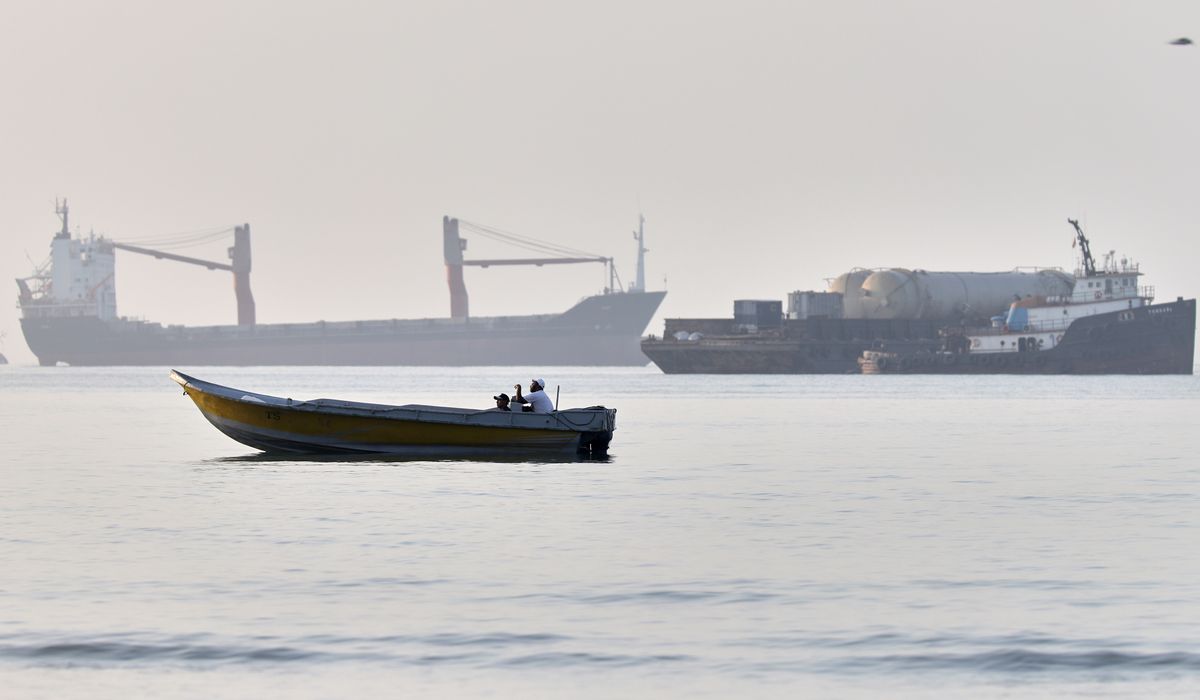
The European Union on Monday sanctioned two senior Iranian officials for their roles in Tehran’s scheme to restrict maritime traffic through the Strait of Hormuz.
Read more Ukraine will soon test domestic ballistic missiles capable of striking targets within Moscow: Report
Mohammad Akbarzaedh, one of the sanctioned Iranian officials, is the deputy commander for political affairs of the Islamic Revolutionary Guard Corps Navy. He also acts as the spokesman for the organization and has publicly threatened to use missiles and drones against merchant ships transiting the strait, European Union officials said.
Also sanctioned was Hamid Hosseini, a representative of Iran’s Oil, Gas and Petrochemical Products Exporters’ Union and a member of Iran’s Chamber of Commerce. European Union officials accused him of promoting the transit fee policy to Iranian authorities.
The sanctions freeze any assets held in European Union countries and impose a travel ban to the E.U., officials said.
“Iran’s actions are unacceptable. In response, member states have approved sanctions against Iranian entities and individuals involved in disrupting transit through the Strait of Hormuz,” said Kaja Kallas, the European Union’s foreign policy chief, according to the Times of Israel.
The European Union also sanctioned the Hormozgan Provincial Command of the IRGC Navy. It screens vessels and determines which ones are allowed to transit through the Strait of Hormuz, sometimes after paying tolls, officials said.
Read more The Kennedy Center drops ‘Trump’ branding as Bill Maher’s Twain Award guests are revealed
The IRGC Navy has assumed control of the Strait of Hormuz and implemented the toll system. Vessels are now required to provide identifying documentation, cargo information and destination information.
The IRGC Navy has threatened, harassed, and attacked several commercial vessels in the region.
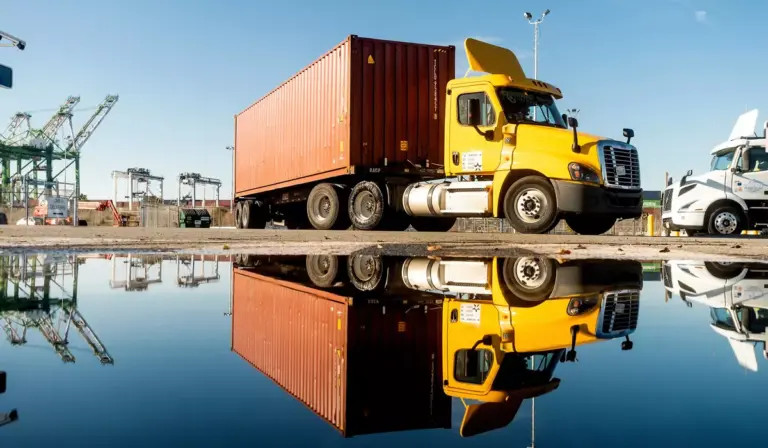
More than 20 million barrels of crude oil and petroleum products pass through the waterway every day. It accounts for about 25% of the world’s seaborne oil trade.
Tehran moved to close the Strait of Hormuz after the U.S. and Israel began striking targets in Iran on February 28. The blockade has sent worldwide energy prices soaring.
Read more Shackled by history: How Asia risks forfeiting its future in the Indo-Pacific
About the Author