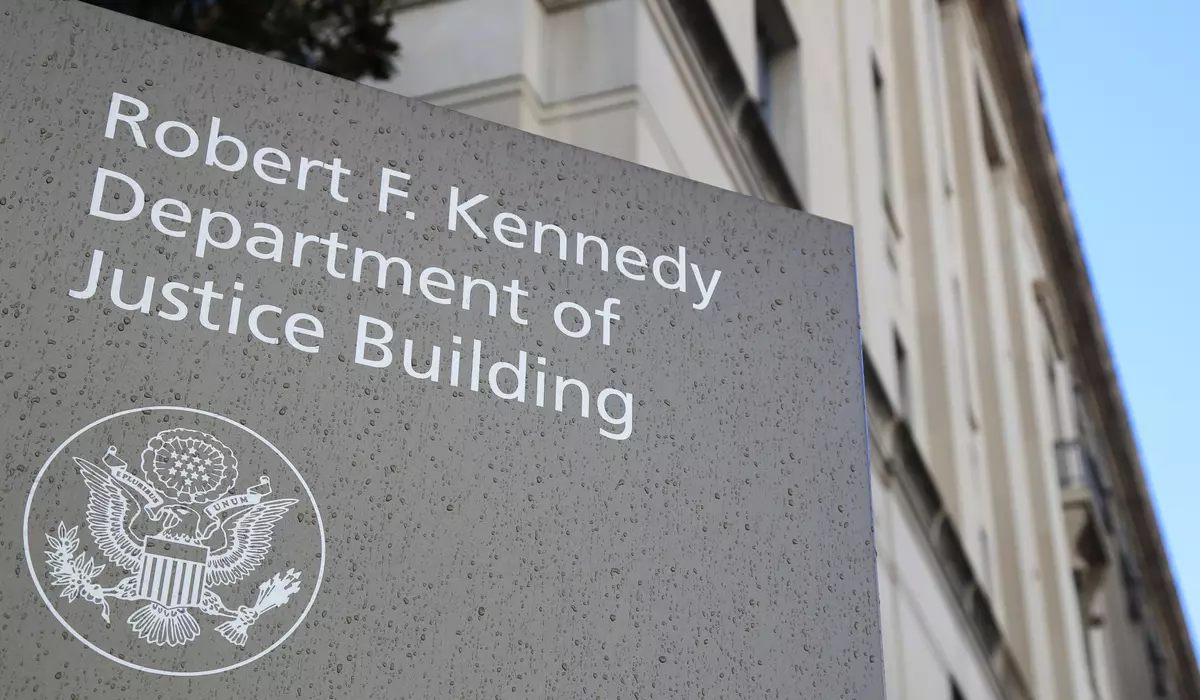
The Justice Department is suing Evanston, Illinois, to stop a first-of-its-kind reparations program that has handed out more than $5 million to Black residents who said they were hurt by housing discrimination.
Read more Trump says Iran deal will stave off economic crisis, prevent nuclear program
Evanston, a northern suburb of Chicago, has identified and begun paying roughly 600 Black residents who claim they or their ancestors were victims of the city’s discriminatory zoning ordinances from 1919 until 1969.
Proponents of the landmark program hope to extend reparation programs like the one in Evanston to other cities across the U.S., where they believe the vestiges of slavery and discrimination have resulted in a “wealth gap” and other residual harm to Black Americans.
The DOJ’s lawsuit could handicap or even end the national reparations movement, marking a reversal from the Biden administration, which supported studying reparations and focused its Civil Rights Division and other departments on diversity, equity and inclusion.
The DOJ this week filed court documents seeking to intervene on behalf of a lawsuit filed in 2024 by the conservative-leaning Judicial Watch on behalf of a group of White plaintiffs. The organization called the payouts “a woke, racist program” forbidden by the Constitution.
Judicial Watch President Tom Fitton said reparation initiatives elsewhere in the country are on hold as proponents of the payouts wait to see whether the court delivers a technical knockout blow to reparations.
“It certainly could be a TKO,” Mr. Fitton said. “I have little doubt this scheme will not be able to continue legally.”
One of the nation’s leading reparations proponents said the DOJ’s lawsuit is a fear tactic aimed at stymying the broader reparations movement.
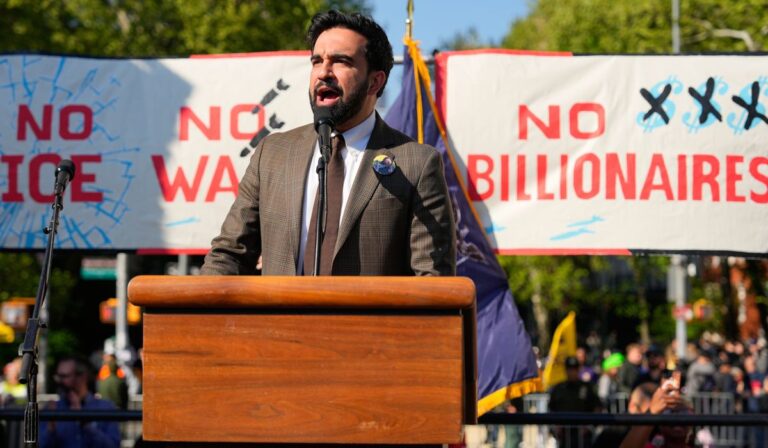
“By attempting to use federal litigation to intimidate one community, the Department of Justice is signaling an attempt to create a chilling effect on the entire national movement for reparative justice,” said Robin Rue Simmons, a former Evanston City Council member.
Evanston made history in March 2021 when it became the first city in America to offer reparations to Black residents.
Those who qualified received $25,000 to pay for mortgages, home improvement projects and other costs associated with homeownership.
The program was later amended to provide unrestricted, direct cash payments to qualified individuals.
Read more Democrats’ ‘election reform’ deserves public scrutiny
The money was offered exclusively to current or former Black residents who resided in Evanston between 1919 and 1969 and their children, grandchildren and great-grandchildren.
During those years, Evanston city officials said, zoning laws and other policies denying mortgages and insurance to certain neighborhoods limited Black residents to substandard housing conditions.
The Evanston City Council’s reparations resolution called the program “a step towards revitalizing, preserving, and stabilizing Black/African-American owner-occupied homes in Evanston, increasing homeownership and building the wealth of Black/African-American residents, building intergenerational equity amongst Black/African-American residents, and improving the retention rate of Black/African-American homeowners in the City of Evanston.”
Roughly 14% of Evanston’s 76,000 residents are Black. The Black population has shrunk by several percentage points in recent years, which city officials blame on the lack of affordable housing. They also blame decades-old, racist housing and banking policies that prevented Black residents from purchasing homes they could pass to their children and grandchildren.
The reparations money is aimed at helping Black families remain in Evanston, officials said.
Ms. Simmons, who spearheaded reparations in Evanston, said the city’s program was the start of a nationwide push. She now heads FirstRepair, which seeks to implement reparations across the country.
Major cities run by Democrats are examining reparations for Black residents, among them Los Angeles, Boston, San Francisco, Detroit and Kansas City, Missouri.
“Across the country, local leaders and residents are increasingly clear-eyed about the necessity of this work,” she said.
None has gone as far as Evanston, which, according to the Justice Department, is expected over the next decade to pay out more than $11 million in reparations to its Black residents.
The funding comes from the city’s 3% tax on the sale of recreational marijuana.
The DOJ argued that providing the money to residents solely based on race violates the equal protection clause of the 14th Amendment and the Fair Housing Act.
“There are sound ways for a city to remedy past discrimination or direct resources to its most vulnerable citizens and neighborhoods. Simply handing out money based on race, however, is not the answer. It is race discrimination, pure and simple. And it is illegal, Assistant Attorney General Harmeet Dillon, who heads the Justice Department’s Civil Rights Division, said.
About the Author