OPINION:
One of President Trump’s enduring strengths is that he is a relentless provider of content to media of every shape, size and ideology. That includes content on the ongoing mess in the Middle East.
Read more Gentner Drummond would be a disaster as Oklahoma governor
Everyone with a computer has an opinion about the memorandum of understanding that appears to have brought the conflict with Iran to a conclusion. I am not going to be an exception.
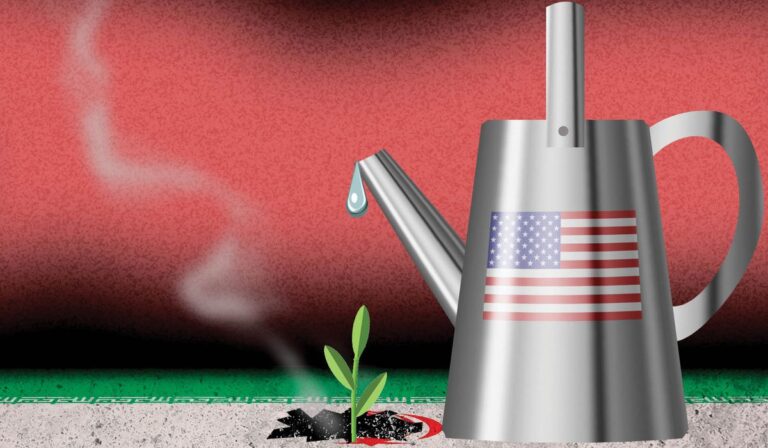
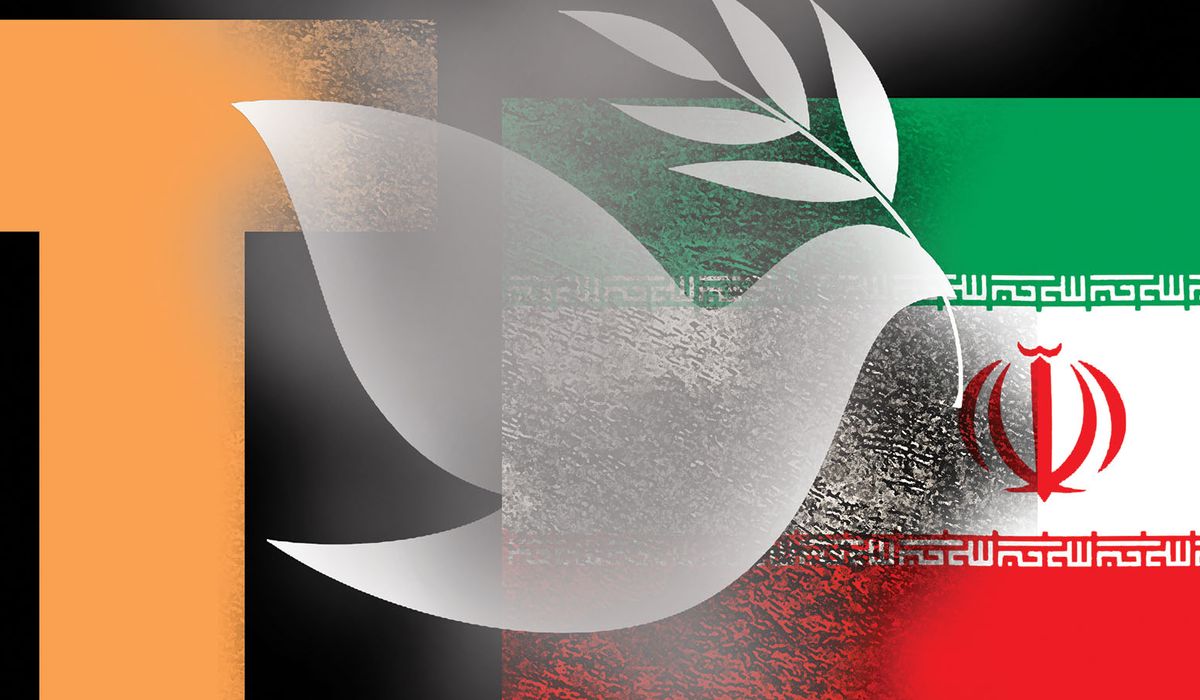
The memorandum of understanding between the U.S. and Iran seems mostly to memorialize on paper what is manifestly clear on the ground — namely, that although the Americans have degraded some of the military capacity of the regime in Iran, we have been unable to change that regime. We also have been unable to destroy Iran’s ability to project power across the Middle East or stop its march toward nuclear weapons.
Whatever the propagandists (on all sides) try to tell you, those are the simple facts of the matter.
The memorandum also seems to contemplate some sort of economic partnership in which the United States will invest $300 billion in Iran. No telling how that might work in practice, but it would be surprising if some of that cash did not find its way into the pockets of regime supporters.
Of course, not all the realities of the situation are addressed in the memorandum.
The Arab world — not the Arab and Persian world, but the Arab world — is knitted together more closely than it was previously. For the first time in a while, the United States was not able to dictate the terms under which hostility ceased.
The theory of the Abraham Accords — that economic integration in the Middle East would eventually lead the way to political integration — is, unfortunately, a dead letter.
Israel is in a bad spot, especially now that the Americans have concluded that perhaps that nation’s judgment on all things in the Middle East is not infallible. Mr. Trump is unlikely to receive the Nobel Peace Prize. (In all fairness, though, figures such as Yasser Arafat and Henry Kissinger have received that prize, so …)
Read more ‘Toy Story 5’ rakes in the biggest box-office debut of the year with a franchise-best $160 million
Ships that transit the Strait of Hormuz will eventually wind up paying something for that privilege — either to the U.S. Navy or Iran.
Perhaps most important, popular sovereignty — the idea that the will of the people is or should be paramount in a republic — has once again been demonstrated to be true and meaningful.
In the coming days, there is a 100% chance that some nattering nabob will suggest or imply that the real obstacle to crushing the Iranian regime was and is the unwillingness of the American people to tolerate the economic pain that comes along with a more extensive war in the Middle East.
That is absolutely true, and hooray for the American people who were unhappy about paying higher gasoline prices and bearing the costs of higher inflation for a conflict they did not seek.
Americans’ opinions on said conflict were not solicited before (or even after) the commencement of activities. Why should citizens not be dyspeptic over a conflict whose burdens they bear but for which no one sought their approval?
The simple and terrible truth — and one that Republican and Democratic presidents have experienced over and over again — is that presidents can commit the U.S. military to war, but only Congress, in concert with the president, has the ability to commit the nation to war.
You want the citizens to support a war and be willing to sacrifice for its goals and objectives? You need to explain to them before the conflict begins why it requires their sons and daughters to be put in harm’s way and why widespread economic pain might be necessary to achieve victory.
It is not accidental that the most recent war the United States won, World War II, was also the most recent war that Congress declared. Nations, not armies, win wars.
Read more Trump’s energy secretary says oil flow will be ‘back towards normal’
• Michael McKenna is a contributing editor at The Washington Times.
About the Author