The brittle ceasefire between the U.S. and Iran appeared to collapse Wednesday after both sides launched retaliatory strikes on regional targets and President Trump weighed authorizing more attacks.
Read more Ex-judge who obstructed ICE arrest is fined but avoids jail time
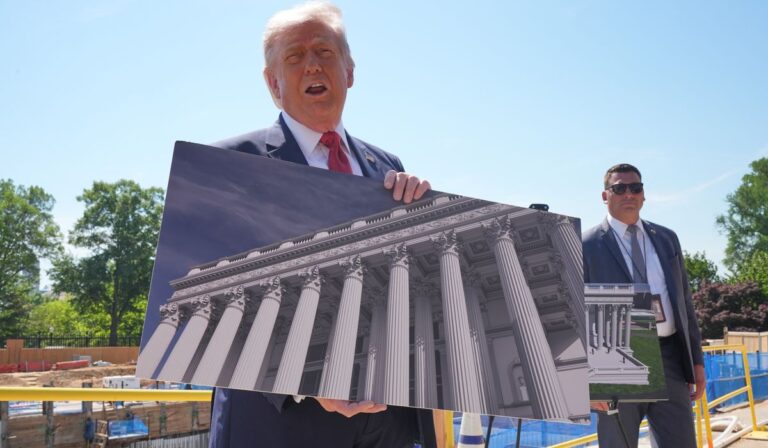
Speaking at the NATO summit in Ankara, Turkey, Mr. Trump sounded pessimistic about the ceasefire’s future and lashed out at Iran’s leaders for attempting to disrupt the free movement of commercial tankers in the Strait of Hormuz.
“There’s something wrong with them. They’re cuckoo. As far as I’m concerned, it’s over,” he said, referring to the ceasefire agreement outlined in the Islamabad Memorandum of Understanding signed by Iran and the U.S. last month. “So, I don’t like them at all. And, frankly, I think we waste a lot of time with them. I think we should just do our business.”
Mr. Trump launched with Israel a joint air war on Iran on Feb. 28, vowing to eliminate Tehran’s nuclear program, degrade its military capabilities and inspire regime change. Four months after the start of the war, Iran’s military capacity has been weakened, hardline elements of the regime remain in power and the status of the Islamic Republic’s stockpile of highly enriched uranium remains unknown.
Still, Mr. Trump said he didn’t expect the U.S. and Iran to return to all-out war, adding that any future operations would “be over very quickly and would only make it safer.” He had said earlier in the day that he expected to strike Iran again later Wednesday.
He stopped short of saying he would halt all negotiations with Iran, saying he would speak to his diplomatic team first.
However, direct talks between U.S. and Iranian teams seem increasingly unlikely after this week’s attacks.
On Tuesday, maritime authorities reported that three commercial tankers were attacked by unidentified objects while transiting the Strait of Hormuz, a vital waterway Iran has intermittently closed since February to pressure international shipping.
While Iran did not directly claim responsibility, the U.S. and several Persian Gulf nations quickly blamed Tehran, and U.S. Central Command launched retaliatory strikes Tuesday evening.
The strikes reportedly targeted more than 80 locations across Iran, focused mainly on air defenses, coastal radar sites and command-and-control networks along the country’s southern coastline. CENTCOM said the goal was to degrade Iran’s ability to interfere with international commerce in the strait.
Iran said at least eight of its air and naval personnel were killed in the U.S. strikes.
Iran retaliated Wednesday with strikes on at least 85 U.S. military installations across Bahrain and Kuwait. Iran’s Islamic Revolutionary Guard Corps also said its forces shot down an MQ-9 Reaper drone.
Iran’s Khatam al-Anbiya Central Headquarters said in a statement that “the origin of any support for the aggressor US military” would be a legitimate target of Iranian forces, implying Gulf nations could face further strikes if they continue hosting U.S. installations.
Iran’s Foreign Ministry said Wednesday that the U.S. strikes came after flagrant violations of the memorandum’s terms. Specifically, it said the U.S. invalidated the agreement by revoking Iran’s ability to sell oil, interfering with Iranian operations in the Strait of Hormuz and failing to stop Israeli attacks on Hezbollah in Lebanon.
Read more Democrats’ divide over Israel tested in primary showdown for U.S. Senate
“Despite the explicit provision of the fifth clause of this memorandum — which emphasizes the Islamic Republic of Iran’s responsibility in determining arrangements for the safe passage of ships through the Strait of Hormuz — [the U.S.] has challenged this clause and, in practice, violated the agreement’s structure,” Foreign Ministry spokesman Esmaeil Baqaei posted on X.
Renewed hostilities between the U.S. and Iran sent global crude prices to their highest levels in weeks, with Brent crude climbing from $75 to nearly $80 per barrel.
U.S. gas prices averaged $3.80 per gallon on Wednesday, up from just below $3 at the start of the war, according to AAA.
Mr. Trump has been consistently concerned with U.S. gas prices since the war began and has insisted that costs will return to normal once peace is settled.
However, Democratic lawmakers have criticized the White House’s war strategy, arguing that American consumers are paying the price.
“Trump’s so-called ’deal’ to end hostilities with Iran has turned into a total, utter disaster. This is what happens when an incompetent president launches a war with no objective, no plan, and no exit strategy — you lose,” Senate Minority Leader Charles E. Schumer, New York Democrat, said Wednesday. “Our troops are back in harm’s way, and high gas costs are continuing to punish working families.”
Before the strikes, the U.S. and Iran were in the middle of a 60-day window, outlined in the memorandum, reserved for direct technical talks over Iran’s nuclear program and possible sanctions relief.
Tuesday’s attacks were far more extensive than those CENTCOM launched last month in response to a similar attack on a commercial ship in the strait. The U.S. military had made clear at the time that those strikes were purely proportional and not meant to restart the war.
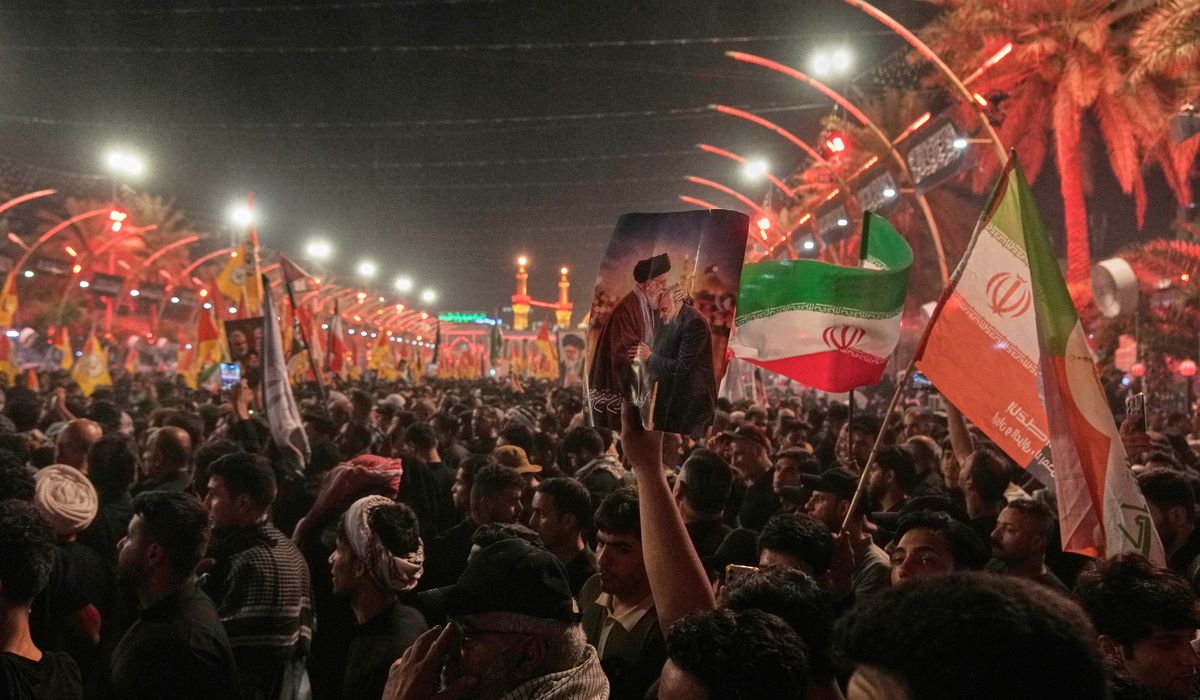
After last month’s flare-up, the two sides held indirect talks in Doha, and mediators said they had agreed to meet again, though no date was set. Iranian officials said all negotiations were on hold at least until the weeklong funeral procession for slain Supreme Leader Ali Khamenei concluded.
International leaders urged restraint from both parties and called for a return to talks.
Pakistan, which has mediated between Iran and the U.S. for months, said it was ready to keep facilitating dialogue and warned both countries against actions that would threaten regional stability.
British Prime Minister Keir Starmer, also at the NATO summit, reminded Mr. Trump and Iran of the economic costs of returning to war and urged both parties to respect the ceasefire.
Read more Kentucky governor requests update on McConnell’s health, questions ability to serve
About the Author