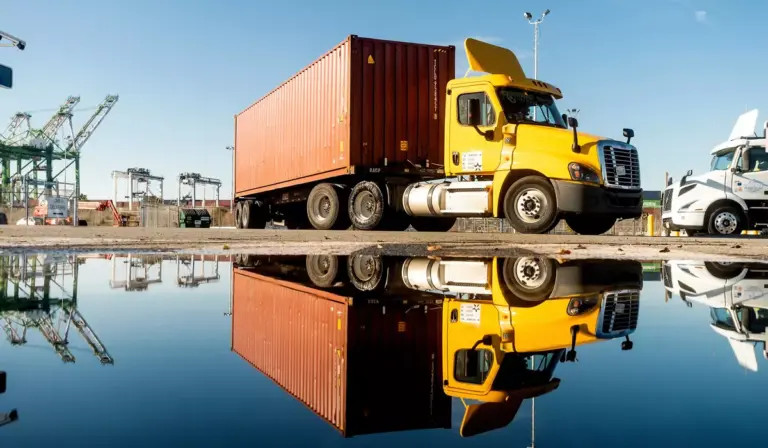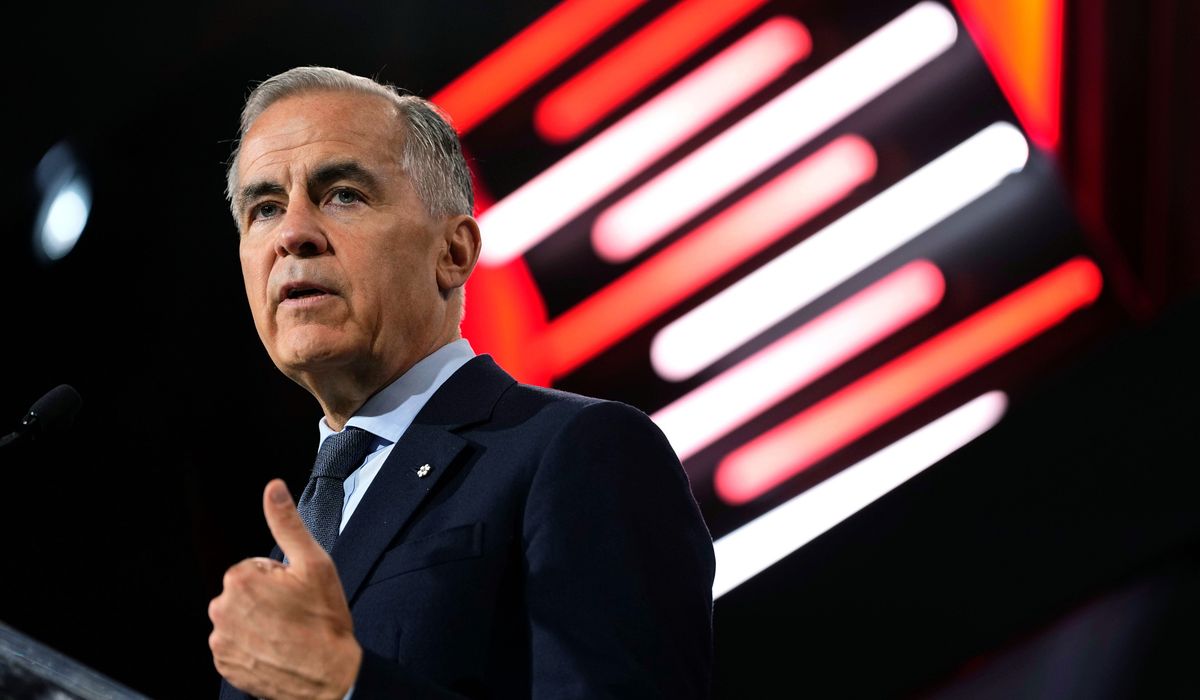
President Trump plans to impose 50% tariffs on a range of Canadian goods, from hockey sticks to cement, in retaliation for Canada’s treatment of American exports of alcohol, dairy and motor vehicles.
Read more Defense industry developing lower-cost Patriot interceptors to counter growth of cheap enemy drones
A senior administration official said Mr. Trump decided to strike back at Canada after all but two provinces discontinued sales of American liquor, though they did not impose limits on alcohol from other countries.
Canada imposes tariff quotas on auto imports from the U.S. but not other countries, and it imposed tariffs on U.S. cheese while declining to impose similar tariffs on European Union cheese, according to a senior administration official.
The moves are likely to renew economic friction with Canada, which says it cracked down on U.S. goods in response to earlier tariff threats from Mr. Trump.
Democrats and free-market champions are all but certain to criticize the moves, too. They say tariffs harm trade and increase costs for American consumers.
Mr. Trump is imposing the tariffs under Section 338 of the Tariff Act of 1930, which allows a president to impose tariffs of up to 50% if a country discriminates against the U.S. or burdens American commerce.
A senior administration official was careful not to characterize the tariffs as the launch of a trade war, calling them a defensive action to rectify discrimination by Canada that “will not be tolerated.”
The administration will target a range of Canadian goods, including wine, but said the scope will be tailored to offset the burden on the U.S. from Canada’s limits on American goods.
Mr. Trump is cracking down days after he criticized Prime Minister Mark Carney and the Canadian government for failing to prevent widespread forest fires in Ontario. Smoke wafted down from the fires, blanketing Detroit, Cleveland, New York and much of the East Coast in an unhealthy haze.
Read more Lindsey Graham’s sister running for a full term with Trump’s endorsement
However, a senior administration official said the action was “solely in response” to the discriminatory actions.
“These are not the so-called wildfire tariffs. The president has asked for options on that, and options are being shared with him,” the official said.
The administration also said the tariffs did not stem directly from Mr. Trump’s conversations with Mr. Carney during their mutual attendance at the World Cup final on Sunday in New Jersey.
“It was not a working visit,” the senior administration official said. “It was not a visit to talk about trade and tariffs from our perspective.”
Mr. Trump sees tariffs, or duties on foreign goods brought into U.S. markets, as a powerful economic tool that can raise revenue, protect American jobs and help his administration gain negotiating leverage over other nations.
Critics say U.S. consumers and importers often bear the cost of the tariffs, so the levies are self-defeating and corrosive to trade.
Mr. Trump is using a range of authorities to impose tariffs after the Supreme Court struck down his ability to easily raise or decrease tariffs on individual nations under a 1977 economic-powers law.
Instead, Mr. Trump is relying on authorities that allow him to target specific product sectors after conducting investigations into national security concerns or unfair and discriminatory trade practices.
Read more Political analysts see little chance of GOP renewing Planned Parenthood funding freeze
About the Author