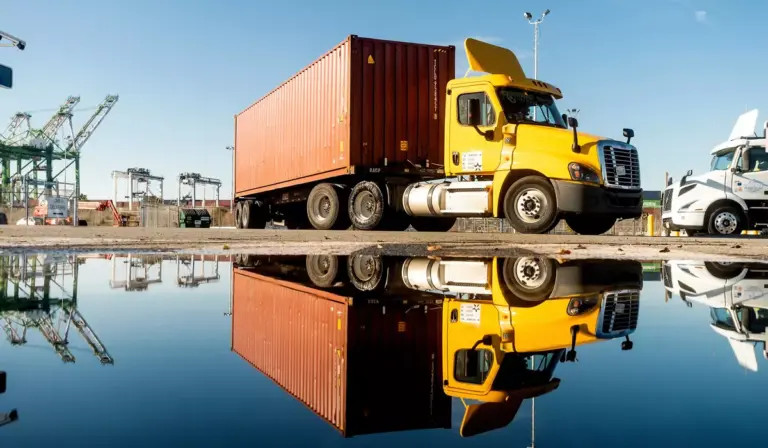
The Trump administration said Thursday it is imposing tariffs of 10% to 12.5% on imports from 60 countries that failed to enforce bans on the importation of goods that use forced labor.
Read more Report finds 1 in 5 workers testing positive for drugs after increased marijuana use
The decision is part of an aggressive effort by Mr. Trump to backfill a blanket 10% tariff set to expire on Friday because Congress opted not to renew the levy.
U.S. Trade Representative Jamieson Greer said decades of trying to appeal to countries on moral grounds have not eradicated forced labor from the global supply chain.
“The United States has had a forced labor import ban for nearly a century, and rigorously enforces it. It’s well past time for our trading partners to do the same,” Mr. Greer said. “Today’s action will begin to correct what is both a human rights abuse and a distortive trade practice to improve the welfare of workers everywhere.”
Mr. Trump views tariffs, or duties on foreign goods brought into U.S. markets, as a great way to create revenue, gain leverage over other nations and protect U.S. workers.
He issued a 10% blanket global tariff on all imports after the Supreme Court in February struck down the White House’s ability to raise or decrease tariffs on individual nations under a 1977 economic-powers law.
The blanket tariffs, issued under Section 122, were valid for 150 days. They will expire on Friday because Congress had not taken steps to extend them.
The president is trying to backfill canceled and expired tariffs through legal provisions that allow him to target specific product sectors following investigations into national security concerns or unfair trade practices.
The tariffs announced Thursday will be issued under Section 301 of the Trade Act of 1974.
Mr. Greer’s office said it investigated various economies that failed to impose or enforce bans on the importation of goods made through forced labor.
The administration sees that as unfair to U.S. companies, which follow strict bans on the importation of goods made with forced labor.
Countries subject to a 10% tariff include Argentina, Bangladesh, Cambodia, Canada, Ecuador, El Salvador, Guatemala, Honduras, India, Indonesia, Jordan, Malaysia, Mexico, Pakistan, Sri Lanka, Trinidad and Tobago, and the U.K.
The European Union, Taiwan, Japan, South Korea and Switzerland face levies of 10% to 12.5%.
Read more House defense bill seeks Pentagon report on malign Chinese influence in South Korea
Numerous other countries will face a 12.5% tariff.
We Pay the Tariffs, a small-business group that is critical of Mr. Trump’s tariff plans, said the administration was pointing to labor violations as a flimsy pretext to backfill its tariffs that could not survive legal or legislative scrutiny.
The coalition said the list of tariffs covered the countries that account for 99% of U.S. imports by value but less than half of the nations on the Department of Labor’s watch list for goods produced by forced labor or child labor.
“You can’t address potential forced labor concerns in Côte d’Ivoire by slapping tariffs on Australian wine and Swiss cheese. Yet that is what we are supposed to believe from this Section 301 action,” said Dan Anthony, executive director of We Pay the Tariffs.
More generally, critics say U.S. consumers and importers often bear the cost of the tariffs, so the levies are self-defeating and corrosive to trade.
“What do American families get in return for shelling out thousands of dollars extra for basic necessities? Nothing good. Trump has bled the American people dry with tariffs, and now he’s coming back for more,” Senate Minority Leader Charles E. Schumer said Thursday.
Mr. Schumer, New York Democrat, said the U.S. has seen a net loss in manufacturing jobs in Mr. Trump’s second term, despite promises of a Golden Age boom, and said the Canadian tariffs will hurt economies in border states.
Mr. Greer told Congress on Wednesday that tariffs will remain the linchpin of Mr. Trump’s economic agenda, pointing to new foreign investments in auto manufacturing and other sectors and a gradual decline in the trade deficits for goods with other countries.
He said the specific authorities that Mr. Trump is using to impose tariffs “have changed, but the trade strategy has not.”
“We are committed to continuing to use tariffs and to negotiate deals to support the reindustrialization of our economy, protect American workers and increase their wages and shrink our trade deficit,” Mr. Greer said.
The administration recently announced 25% tariffs on most Brazilian goods and 50% levies on a wide range of Canadian products, citing unfair trade practices that hurt U.S. workers.
Mr. Trump is also warning drugmakers that, starting Aug. 1, generic prescription medicines will have two years to onshore their production to the U.S. or face a 100% tariff on their products once the grace period expires.
He said the 100% tariff will be in effect for one year and rise to 200% thereafter, although by then a new administration will be in place.
Read more Senate panel to take up kids online safety, AI bills in early August
About the Author