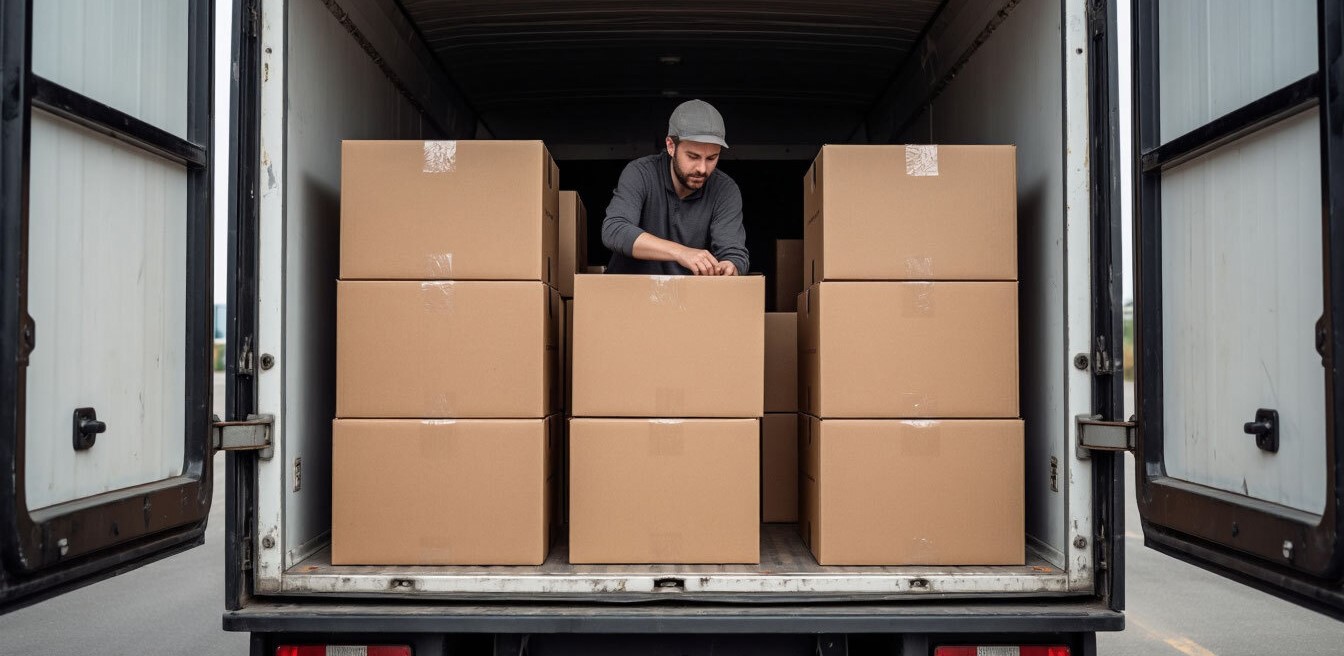
Not every household item is ready to be loaded the moment a moving crew walks through the door. A loose cabinet door, an oversized piece of furniture, an unstable box, or an electronic device without adequate protection may require attention before it can become part of the shipment.
This preparatory work is particularly important for longer relocations, where belongings may experience more than one stage of transportation. Experienced hawaii movers can identify items that need additional attention and incorporate those tasks into the moving plan rather than treating them as last-minute obstacles.
The First Step Is Identifying Potential Problems
A professional crew can inspect household goods as they prepare the shipment. The purpose is not simply to decide whether an item can be moved, but to determine what needs to happen before it can be handled safely.
Common examples include:
- Furniture requiring partial disassembly
- Boxes with damaged or insufficient packaging
- Fragile decorative objects
- Appliances requiring preparation
- Loose components that need securing
- Oversized possessions requiring special handling
Condition Matters
An item that has already suffered damage should be identified before transportation. Documenting its condition can help distinguish existing wear from anything that may occur during the move.
This is particularly useful for furniture with scratches, chipped finishes, loose joints, or older construction.
Reinforcing Weak Packaging
Boxes can deteriorate over time, especially if they have been stored in a garage, attic, basement, or humid environment.
A carton with softened edges or a damaged bottom should not simply be loaded because its contents are already packed. Movers may need to reinforce it, repack the contents, or transfer everything into a stronger container.
Weight Distribution Can Matter Too
A box does not become safer simply because it closes. Extremely heavy items concentrated on one side can make carrying difficult and increase the chance of the package tipping or failing.
Professional packing decisions can involve redistributing contents, adding internal protection, or using a container more appropriate for the item’s weight.
Preparing Furniture Before It Travels
Large furniture frequently needs some form of preparation before loading.
A bed frame may need to be separated into components. Table legs can sometimes be removed. Shelving may require disassembly to make it easier to carry through doorways and hallways.
The objective is not always to make an item smaller. In some cases, keeping furniture intact is preferable. The appropriate approach depends on its construction, size, condition, and the route it must travel.
Protecting Vulnerable Surfaces
Corners, glass panels, polished wood, painted finishes, and upholstered areas can be particularly susceptible to contact damage.
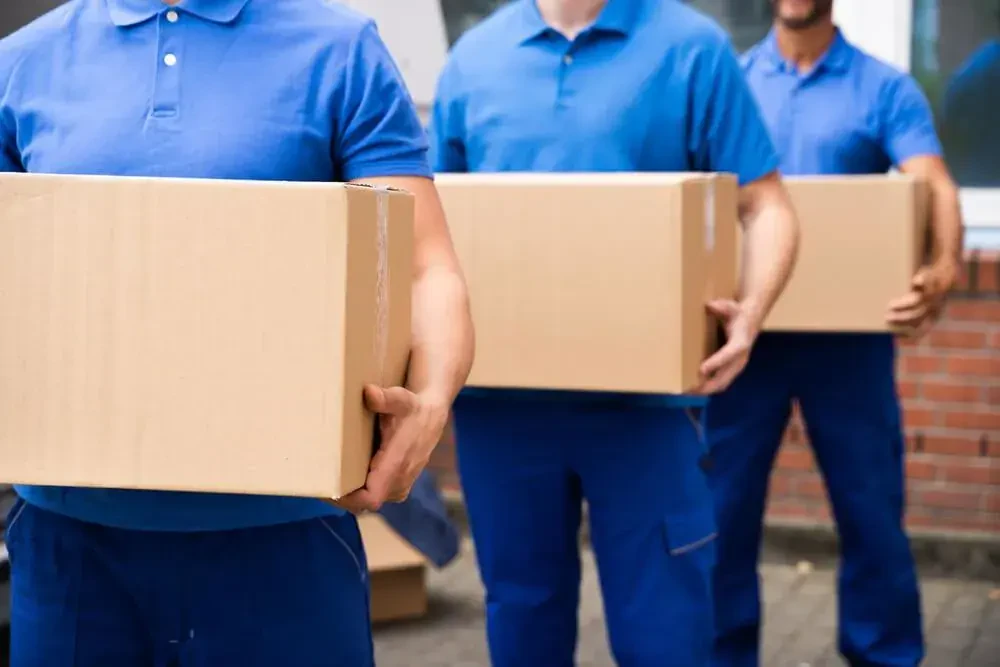
Movers can use suitable protective materials to create a barrier between the item and other surfaces. Wrapping can also make awkward pieces easier to handle without exposing them unnecessarily during loading.
Appliances May Need Additional Attention
Household appliances can present their own preparation requirements. Refrigerators, washing machines, dryers, and other large equipment may need to be disconnected, emptied, cleaned, or secured before transportation.
Small internal components should not be left loose. Shelves, removable trays, and accessories may require separate protection so that they do not shift inside the appliance.
When customers are unsure about a particular appliance, discussing its preparation with the moving crew ahead of time is preferable to discovering the issue during loading.
Why Preparation Is Important for Mainland Shipments
Long-distance transportation can involve multiple handling stages, making preparation particularly valuable for shipments traveling between the mainland and Hawaii.
Customers planning such a relocation can review the broader process through https://hawaiimovingservices.com/mainland-moving/ and consider which household items may require additional preparation before pickup.
Think About Every Stage, Not Just Loading
An item that is safe to carry into a truck may still need to remain protected throughout subsequent transportation. Good preparation therefore considers how furniture and boxes will be handled after they leave the customer’s home.
This can influence the choice of wrapping, container strength, disassembly method, and placement within the shipment.
Turning Unexpected Tasks Into Planned Steps
Additional preparation does not necessarily mean a move is going wrong. In many cases, it is simply part of properly evaluating household goods before they begin a long journey.
Experienced hawaii movers can identify weak packaging, vulnerable furniture, loose components, and other concerns before they become transportation problems. By addressing those details early, the crew can create a more secure and organized shipment.
For homeowners, that preparation provides an important benefit: instead of discovering halfway through the relocation that something was not ready to travel, potential issues are handled while the belongings are still in familiar surroundings.
About the Author