OPINION:
With the Fourth of July right around the corner, Pennsylvanians should be celebrating, but instead, many low- and middle-class parents are worried about the future of a scholarship program they rely on for educational options.
Read more Sorry, Virginia, space aliens have not visited Earth
This year marks the 25th anniversary of the Educational Improvement Tax Credit, one of the nation’s oldest and most successful tax credit scholarship programs. The Educational Improvement Tax Credit, in conjunction with the Opportunity Scholarship Tax Credit, has awarded more than 1 million scholarships to Pennsylvania students, inspired similar programs across the country, and become a model for the new federal scholarship tax credit.
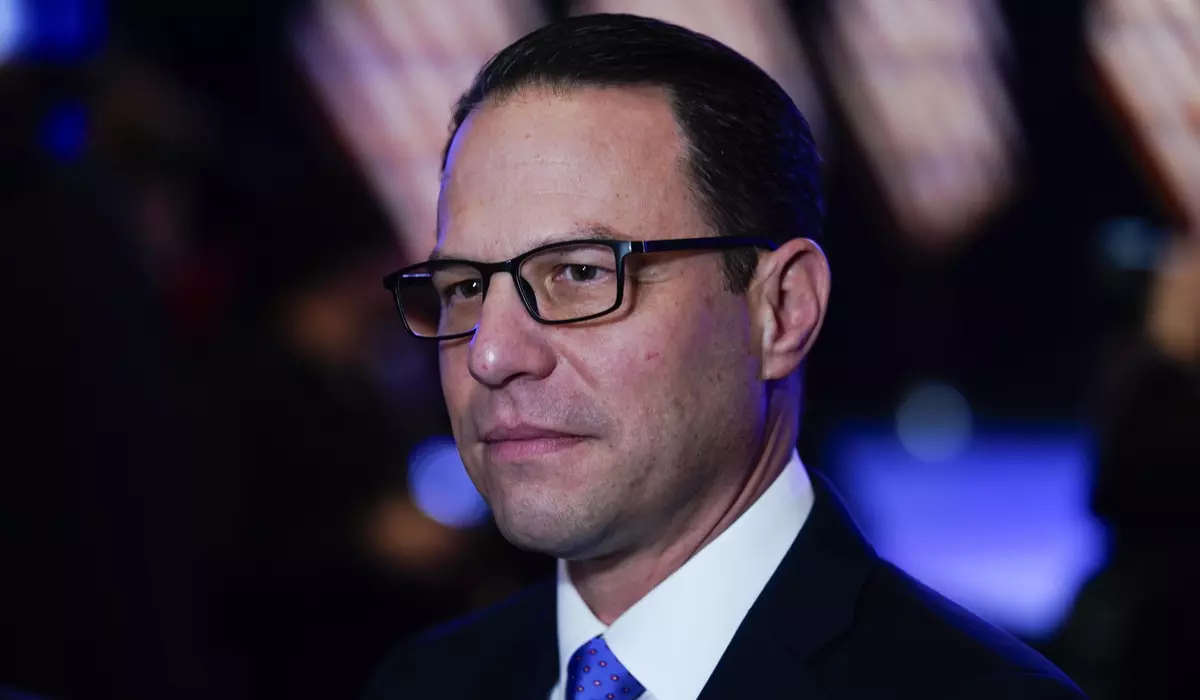
Yet Gov. Josh Shapiro and Pennsylvania Democratic state legislators are trying to dismantle it.
Mr. Shapiro telegraphed the effort in his February state budget proposal. While seeking billions of dollars in additional spending for the public school system, he also proposed reducing scholarship tax credits that help low-income families access educational alternatives.
Now, Pennsylvania House Democrats are carrying out that agenda. Legislation moving through Harrisburg originally proposed cutting $102 million in scholarships, putting an estimated 30,000 current recipients at risk of losing their scholarships.
A committee amended the bill to avoid the immediate cuts, but the updated legislation still slashes tax credit levels, eliminates supplemental scholarships, ties student eligibility to minimum wage increases and attempts to intimidate donors, schools and parents with onerous taxes and regulations.
House Democrats are also pursuing hundreds of millions of dollars in cuts to public charter schools. This is another pathway to educational opportunity, one that helps nearly 169,000 Pennsylvania students by giving them alternatives to their assigned district schools.
Mr. Shapiro once presented himself as a Democrat comfortable challenging his party’s orthodoxy on school choice. However, his 2023 veto of Lifeline Scholarships was the first sign that, when pressed, he would toe the party line.
Yet the current fight over scholarships marks a significant escalation in betrayal. The issue is no longer whether Pennsylvania will expand educational choice but whether the state will preserve a successful program that has existed for a quarter of a century.
The governor’s current position is difficult to square with his own words. In October 2022, Mr. Shapiro told business leaders that he wanted to “protect what we have on EITC and add more on those scholarships.”
Now, however, Mr. Shapiro and Democratic lawmakers are doing the opposite.
The governor’s position is particularly difficult to reconcile with the program’s success. Over the past 25 years, tax credit scholarships —funded by private donations — have helped students access educational opportunities that better meet their needs. Last year alone, more than 101,000 students received scholarships through Pennsylvania’s tax credit programs.
Read more House GOP rebels shut down legislative agenda for second consecutive week
Yet nearly 70,000 additional applicants were turned away because the state imposes arbitrary caps on scholarships. Few public programs would respond to that level of unmet demand by cutting access.
Congress recently adopted a federal scholarship tax credit program based largely on the model Pennsylvania pioneered. So far, 31 states have opted in or signaled their intent to participate. Governors across the country — including Democratic governors hardly known as conservative education reformers — have embraced the opportunity.
Colorado Gov. Jared Polis was one of the first to opt in, and New York Gov. Kathy Hochul has signaled her support.
Still, Mr. Shapiro will not say whether Pennsylvania will join them. That silence carries consequences.
Pennsylvania could lose out on significant funding — potentially $32 million to $967 million, according to Education Reform Now — for tens of thousands of low- and middle-income students. Every month that Pennsylvania delays, other states gain a head start, attracting donors, funding scholarships and building programs.
The irony is difficult to miss. Twenty-five years ago, Pennsylvania developed a scholarship model that transformed educational opportunity for families. Congress has adopted that model nationally, and governors from both parties like it. The future has never looked brighter for educational choice.
Yet Mr. Shapiro and his legislative colleagues want to turn back the clock and undo decades of progress.
Continuing to dismantle educational choice could send students back to the failing schools they escaped. Pennsylvania did not blaze the trail for the school choice revolution only to let its own governor be the one to pull the students back into that wreckage.
If school choice was worthy of growth in 2022, why is Mr. Shapiro working to undermine it now?
• Andrew Lewis is the president and CEO of the Commonwealth Foundation, Pennsylvania’s free market think tank.
Read more Supreme Court to decide whether states can ban AR-15 rifles
About the Author